

EG Traveller / Transport Field Guide
Transport Guide for Egypt
From high-speed trains linking the Mediterranean to the southern border, to feluccas drifting the Nile — our egypt travelling guides cover every method of moving between cities, across the desert, and through the streets of Cairo.
Orientation / The Transport Field
Moving Through Egypt Requires More Than One Method
Between Cities
Long-Distance Corridors
Egypt's railway runs from the Mediterranean coast to the southern reaches, while domestic flights cut travel time to under two hours between distant points. Long-distance coaches fill the gaps, reaching towns the rails do not serve.
Within Cities
Local Transit Layers
Cairo's metro bypasses surface traffic at a fraction of any taxi fare. Ride-sharing apps bring fixed fares and tracked routes, while traditional taxis and microbuses remain the street-level system most residents use daily.
By Water & Road
Nile and Self-Drive
The Nile is a historic highway — feluccas and larger vessels carry travellers between riverside towns. Self-driving is possible with an international permit, but desert highways and city traffic demand careful preparation.
01 / Rail Network
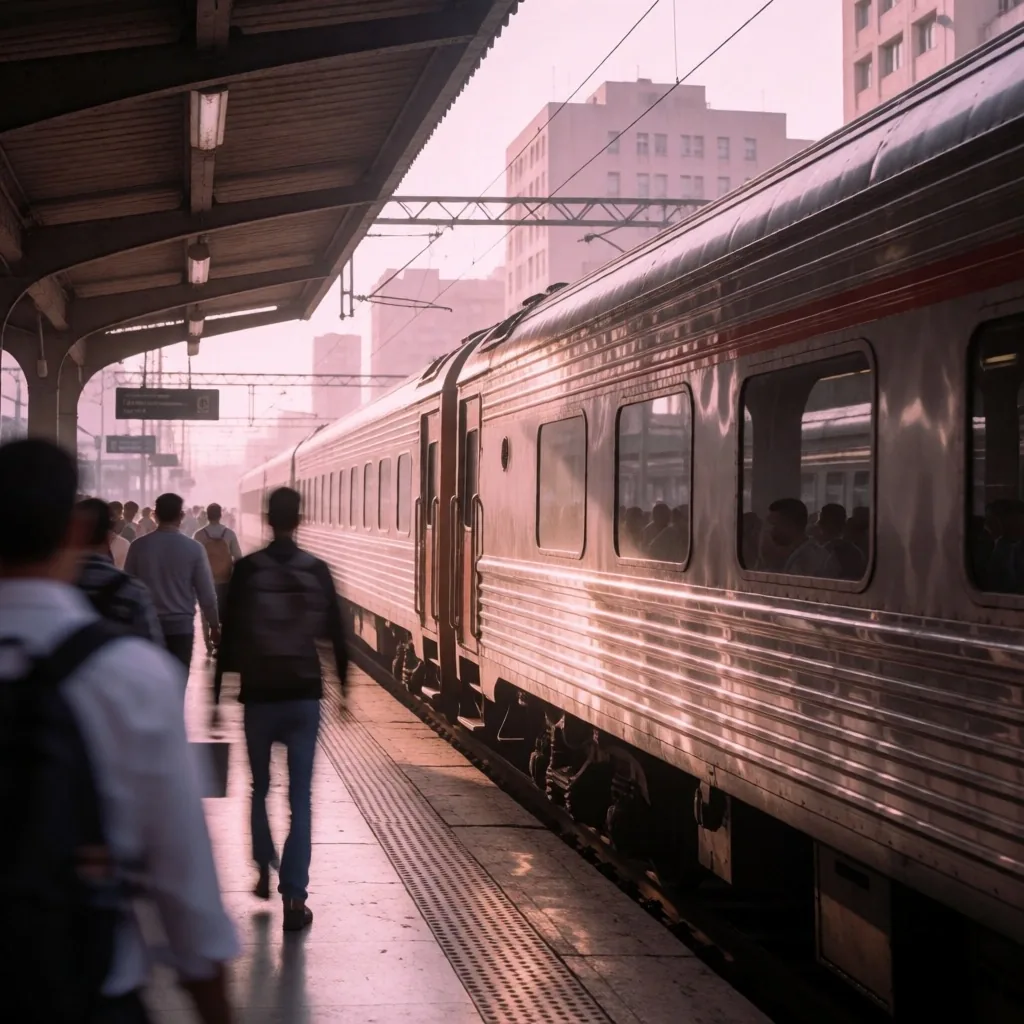
The National Railway System
Egypt's railway is among the oldest and most extensive in the region, connecting cities from the Mediterranean coast to the southern border. First-class air-conditioned carriages handle long journeys in comfort, while express services link major hubs and slower local lines stop at smaller stations along the way.
Our travel guides walk through the booking system, what to expect at major stations, and how to tell express services from local lines. Carriage classes vary by route — first-class seating is air-conditioned and reserved, while standard carriages fill quickly on popular corridors. Book ahead during peak travel periods, and arrive at the station early to find your platform, since departure boards are sometimes in Arabic only.
Carriage Classes
- —First-class: air-conditioned, reserved seating
- —Second-class: ventilated, popular on intercity runs
- —Local lines: frequent stops, no advance booking
- —Express services: limited stops between major cities
02 / Air Network
Domestic Flights and Regional Airports
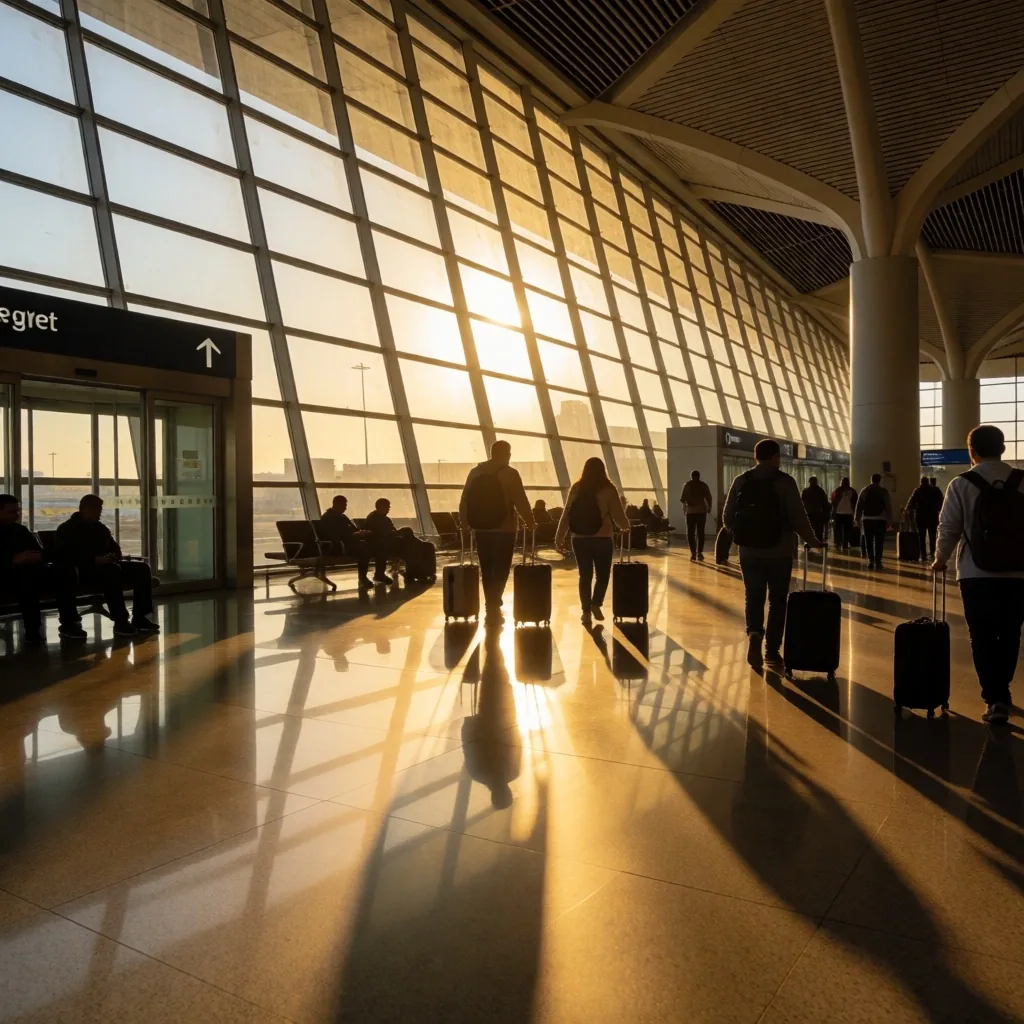
For travellers short on time, domestic flights are the fastest way to cover distances between Cairo, Aswan, Luxor, and the Red Sea coast. Several carriers operate frequent daily flights, and a journey from the capital to the coast takes just over an hour in the air.
The real work happens on the ground — airport transfers vary by destination, and some regional airports sit well outside the city center. Our egypt travelling guides list the primary regional airports and the cities they serve, along with ground transfer options so you can plan the full door-to-door journey rather than just the flight segment.
Cairo to Aswan
~1.5 hours
Cairo to Red Sea
~1 hour
03 / Overland Coach
Long-Distance Bus Networks
Buses are the most common and affordable way to travel across Egypt. A vast network of routes connects even remote towns, with private companies running comfortable, air-conditioned coaches at varying service levels. Stations often sit outside city centers, so building in transfer time matters.
What to Expect
Private companies operate air-conditioned coaches with reclining seats, onboard restrooms, and scheduled rest stops at highway service stations. Travel times depend on the route — a Cairo-to-Hurghada coach runs roughly six hours, while longer desert crossings can take overnight. Delays happen, so keep your schedule flexible on travel days.
Finding the Station
Bus stations are frequently located on the outskirts rather than in the city center. This is intentional — it keeps long-haul coaches out of dense surface traffic. Plan a taxi or ride-share to reach the departure point, and confirm which station your company uses, since Cairo alone has several terminals serving different regions.
Booking and Boarding
Seats can be reserved at company offices, at the station on departure day, or through local booking agents. During peak travel seasons, popular routes sell out — book a day or two ahead when you can. Arrive at the station at least 30 minutes before departure; coaches board directly from the platform and leave on schedule.

04 / Urban Rail
Navigating the Metro in Cairo
Cairo's metro is a lifeline for the city — a quick and very affordable way to bypass the surface traffic that chokes the streets above. It is one of only two metro systems in Africa, and it runs clean and efficient, with dedicated cars for women on every train.
For any traveller into Egypt spending time in the capital, the metro is an essential tool. Lines cross the city from north to south and east to west, connecting major districts and overland rail stations. Ticket machines accept coins and small notes, and plastic fare cards are available for multiple journeys. Transfers between lines happen at interchange stations — follow the colored signs overhead, and allow a few minutes for the walk between platforms.
Lines
Three active
Women's Cars
Middle section
Fare Format
Plastic card
05 / Street Transit
Ride-Sharing and Traditional Taxis
Ride-sharing apps have changed how people move around Egyptian cities, providing a transparent alternative to traditional taxis. Both systems run side by side, and understanding the etiquette of each keeps the journey straightforward.
Ride-Sharing Apps
Apps offer fixed fares calculated before you confirm the ride, tracked routes, and a record of your driver's details. For anyone unfamiliar with local bargaining, this removes the negotiation step entirely. You request, you ride, you pay through the app or in cash depending on the service.
- +Fixed fare shown before departure
- +Route tracked and recorded
- +Driver and vehicle details visible
- +Cash or in-app payment
Traditional Taxis
Traditional taxis are everywhere and can be flagged on the street. They do not use meters in most cities, so agreeing on the fare before you get in is standard practice. Drivers expect a brief negotiation — settle on the figure, confirm it is in Egyptian pounds, and depart.
- +Available on nearly every street
- +No app or data connection needed
- +Agree fare before boarding
- +Carry small notes for payment
06 / River Travel
Exploring the Nile by Water
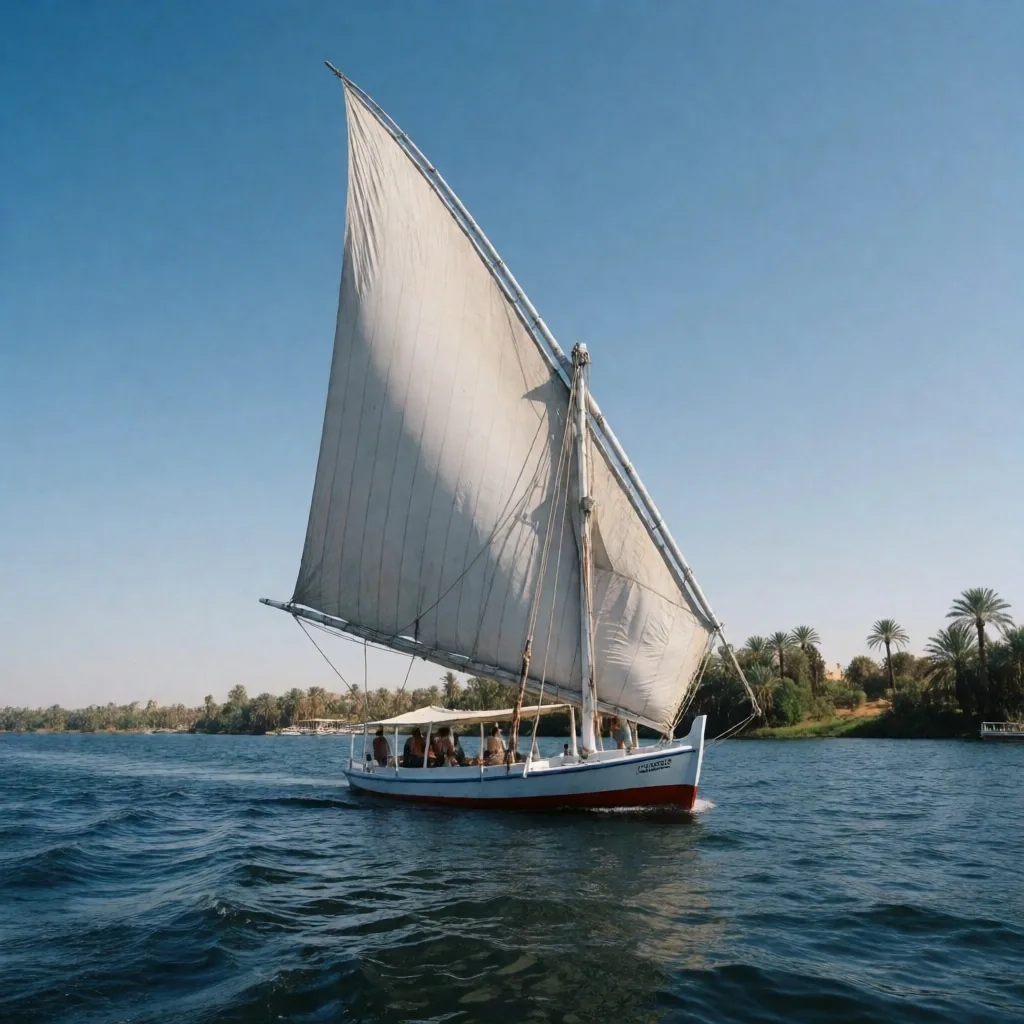
The Nile is a historic highway, and travelling by water is one of the most iconic ways to move through Egypt. Options range from large multi-day vessels with cabins and onboard dining to small traditional sailing boats called feluccas that carry a handful of passengers under wind power alone.
Larger vessels run structured schedules between major riverside towns, with set embarkation points and planned stops. Feluccas are more spontaneous — you arrange a trip with the captain, agree on the route and duration, and let the wind decide the pace. Our egypt travelling guides help you choose between a structured cruise and an open-air sail based on your travel style, time, and comfort expectations.
Two River Modes
Multi-day vessel — set schedule, cabins, onboard service. Felucca — wind-powered, flexible route, day or overnight.
07 / Self-Drive
Car Rentals and Driving Considerations
Renting a vehicle offers the most freedom, but driving in Egypt is not for the faint of heart. Local traffic flows with its own logic, lane markings are treated as suggestions, and horn signals replace indicators in dense traffic. An international driving permit is required, and you should carry it alongside your original license at all times.
Desert highways between cities are generally wide and straight, but long stretches have no services — carry water, keep your fuel tank above half, and avoid driving after dark. Within cities, parking is tight and traffic is dense. If you are planning a self-drive trip, our travel guides cover the permit process, insurance basics, and which routes are practical for a first-time visitor to the country.
Required
International driving permit + original license
Desert Highways
Carry water, refuel early, avoid night driving
Urban Driving
Dense traffic, limited parking, expect horn signals
Insurance
Confirm coverage scope before signing the rental agreement
08 / Shared Transport
Microbuses and Local Shared Transport
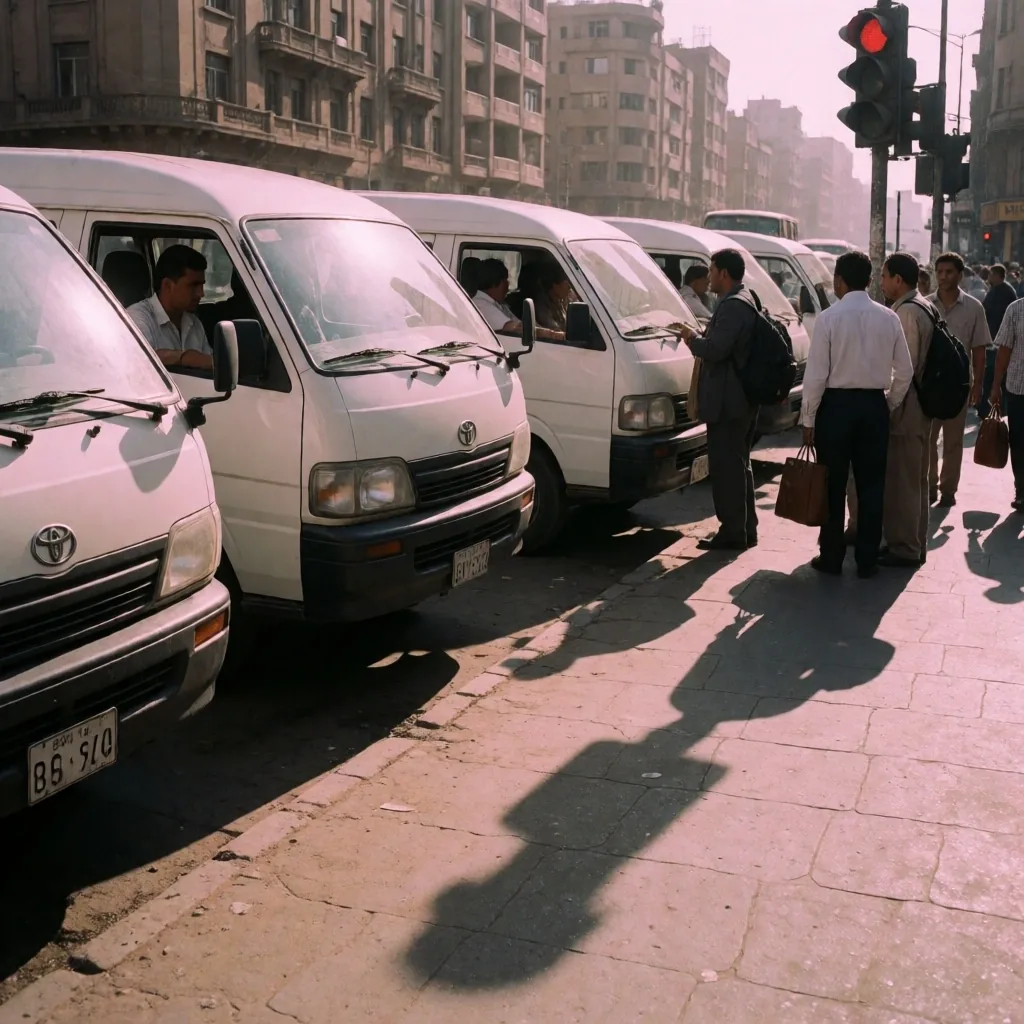
Microbuses are the backbone of local transport in Egypt. They follow set routes but do not have fixed stops — you board by signaling the driver with a hand gesture that indicates your destination, and you disembark by calling out at the right point. Fares are very low, paid in cash to the driver or passed forward by other passengers.
The system is efficient once you know it, but it can be crowded and confusing for anyone who does not speak Arabic or know the route. Hand signals matter — a specific gesture tells the driver which district or junction you are heading to, and they will either pull over or wave you off if their route does not match. For a traveller into Egypt looking for a genuinely local experience, microbuses are the closest thing to how residents actually move.
How It Works
Signal the driver with the route hand gesture → board and take any open seat → pass your fare forward → call out when you want to get off. Routes are known by destination name, not by number.
09 / On Foot
Walking and Pedestrian Culture
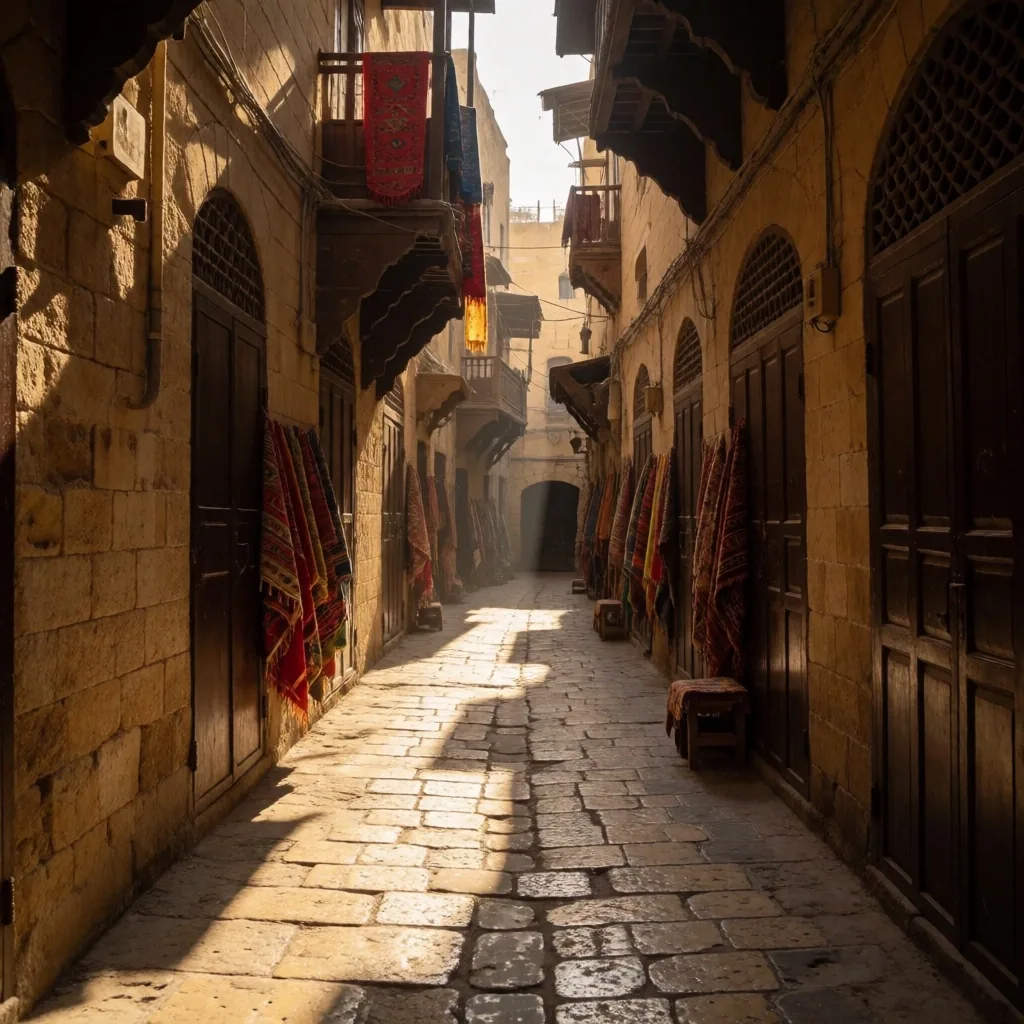
In the older parts of Egyptian cities, walking is often the only way to explore. Narrow alleys, dense markets, and winding residential streets were built for foot traffic, not for vehicles. Many neighborhoods are highly walkable, provided you are comfortable with the pace and the occasional absence of sidewalks.
Crossing busy streets takes practice — pick a gap, walk at a steady pace, and let the traffic flow around you. Avoid sudden stops or sprints. Our travel guides point to the best districts for walking tours, areas where a guide adds real value, and how to stay safe as a pedestrian in a car-centric environment. The reward is finding the small shops, street food, and corners that no vehicle can reach.
10 / Connections
Planning Your Connections
The secret to successful travel in Egypt is allowing plenty of time for connections and staying flexible. Delays happen — traffic, weather, or technical issues can push a schedule back. Build slack into your itinerary, especially when connecting from a long-distance coach to a flight, or from a train to a river departure.
Build buffer time into every transfer
Leave two to three hours between a long-distance arrival and your next departure when possible. Tight connections are the most common source of travel stress in Egypt, and a single delay can cascade through the rest of your day.
Confirm departure points in advance
Cairo has multiple bus terminals, two major rail stations, and several domestic flight hubs. Confirm which one your service uses before you travel — arriving at the wrong station is a common and avoidable mistake.
Keep schedules flexible on travel days
Do not stack a morning train, an afternoon flight, and an evening boat trip on the same day. Spread long journeys across separate days so a delay on one leg does not collapse the next two.
Carry water and small notes
Every transport method in Egypt runs smoother when you have water for delays and small-denomination Egyptian pounds for fares, tips, and microbus rides. Large notes are hard to break on local services.
Use our travel guides to compare modes
Our egypt travelling guides are designed to help you compare options for each leg of your journey — not to push one method over another. The right choice depends on your route, schedule, and comfort level, and we lay out the trade-offs plainly for each.