
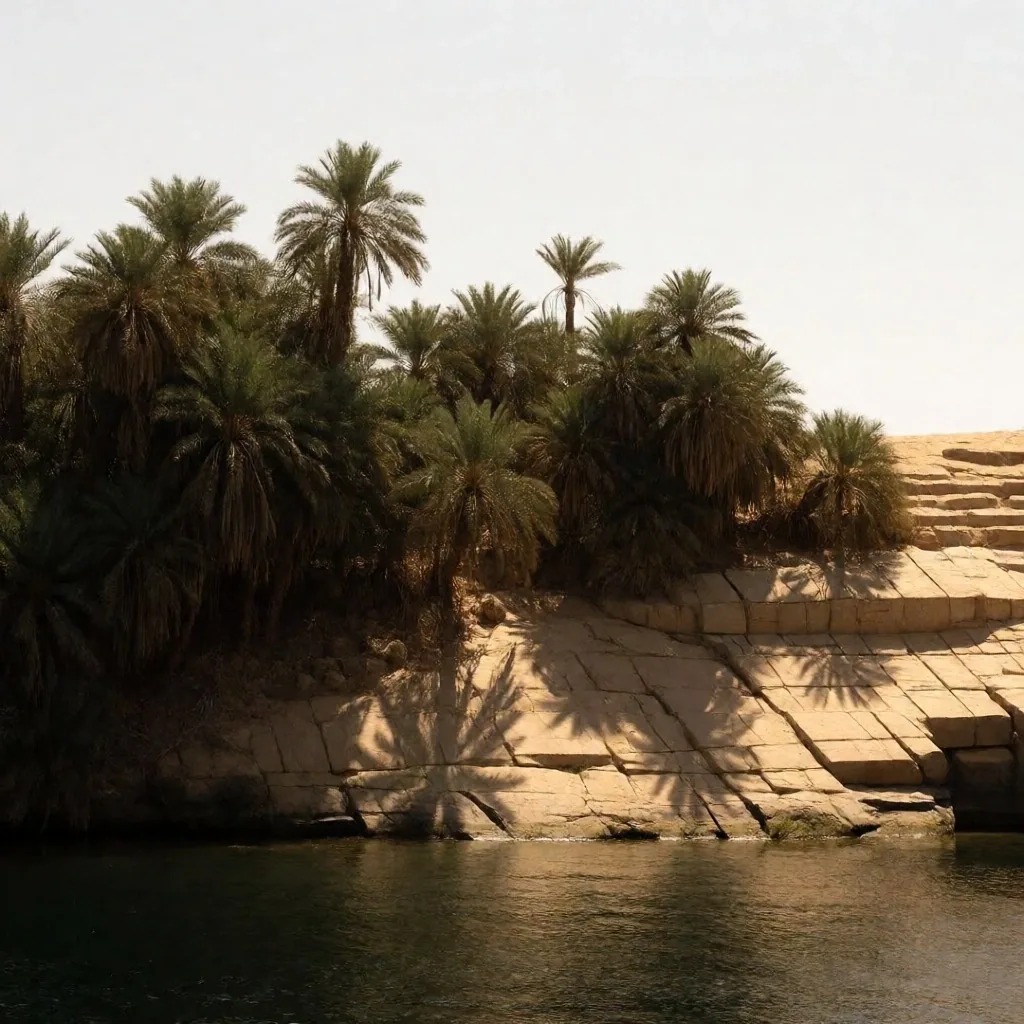
Seasonal Planning
Timing defines the shape of a journey. Our travel guides break Egypt's calendar into practical windows so you can match your route to the climate that suits it best.
The Calendar Question
Choosing when to enter Egypt is the single most consequential decision a visitor makes. Egypt spans a vast longitudinal range — from the Mediterranean shore to the upper Nile — and the climate at one end has little bearing on the other. The traveller into Egypt needs a month-by-month reading, not a slogan about endless sun.
These egypt travelling guides give you that reading. Below is a regional breakdown of what each season brings: which months favor the Nile Valley, when the Red Sea is at its clearest, why the Mediterranean coast closes in winter, and how to adapt your schedule around the Islamic calendar. Use it to pick a window, not a postcard.
Twelve Months, Five Climates
Each band groups the months that share a practical travel character. Read across to find where your interests sit in the annual cycle.
Peak Winter
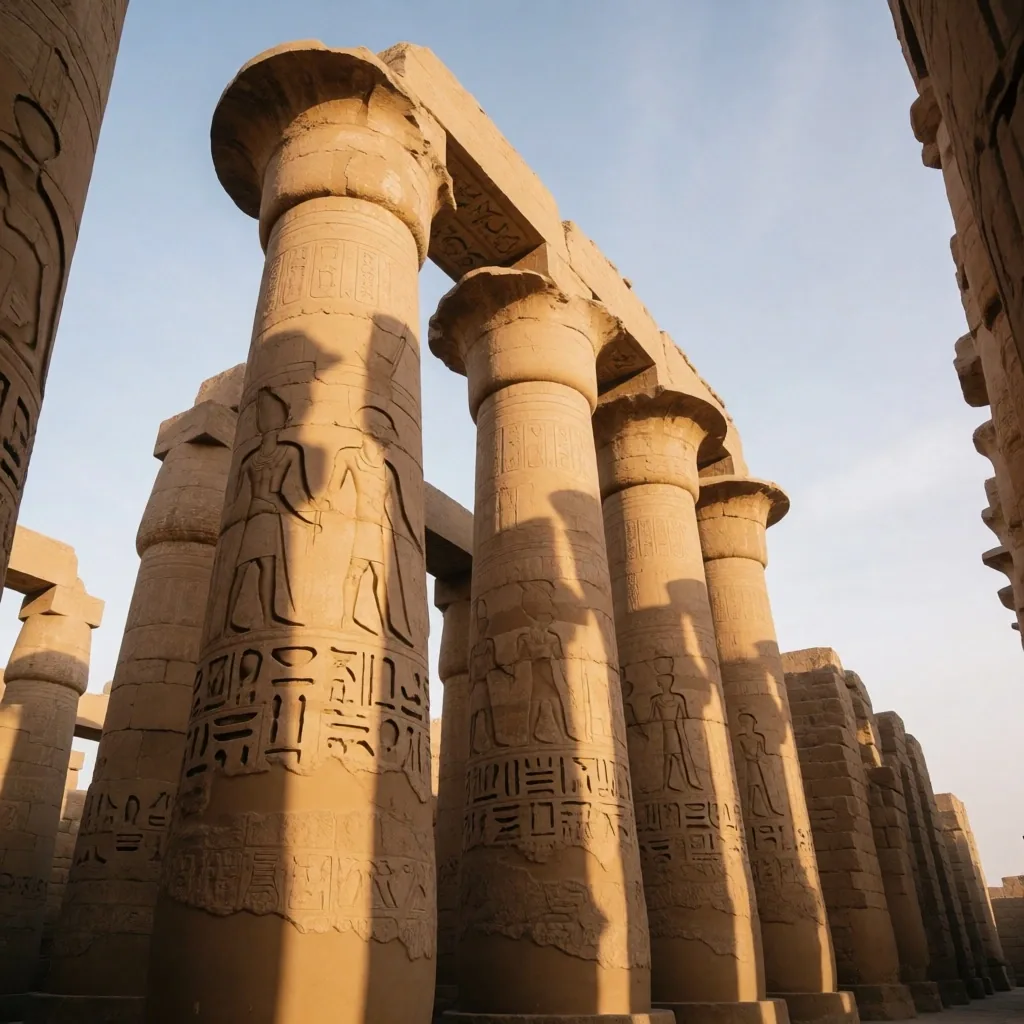
Winter is the reference season for anyone planning serious sightseeing. Daytime highs in the Nile Valley sit between 19°C and 24°C, and the southern cities of the upper Nile become accessible after months of punishing heat. This is the window most egypt travelling guides point to first.
That accessibility has a cost: it is also the busiest stretch of the year. Expect fuller sites, busier transport, and higher demand for guides and rooms. Plan ahead for the upper-Nile circuit, and travel mid-week at major sites where possible. A good route alternates a major landmark in the morning with a quieter neighborhood or riverside walk in the afternoon.
The Heat of Summer
Summer in the desert south is severe. Daytime temperatures in Luxor and Aswan regularly clear 40°C from June through August, and the heat does not relent after sunset the way it does on the coast. For the upper Nile, this is not the season to walk a site at noon.
That severity has an upside: crowds thin sharply and room rates drop. The traveller into Egypt who tolerates heat — or who structures the day around early morning and late evening — can move through major sites almost alone. On the Red Sea, sea breezes keep the coast bearable when the interior is not.
The Shoulder Transition
Early Spring
March opens the shoulder season with mild days across most of the country. The Nile Valley is still comfortable, and the Red Sea is warming. April is the last month before the south becomes genuinely hot.
Watch for: the Khamaseen — dry desert winds that can carry dust and reduce visibility for a day or two at a time.
Early Autumn
September is the quietest shoulder month: the heat breaks first on the coast, then inland. By October the upper Nile is bearable again and the winter crowd has not yet arrived.
Best for: visitors who want warmth without the peak-season density, and Red Sea swimming before the water cools.
Khamaseen
The Khamaseen is a seasonal wind, not a storm. It blows intermittently from late March through early May, raising dust that can linger for hours. Carry a scarf, check the local forecast, and expect some sights to close early on affected days.
Our travel guides list what to pack and how to adjust a route when a Khamaseen day lands mid-trip.
Planning Around Ramadan
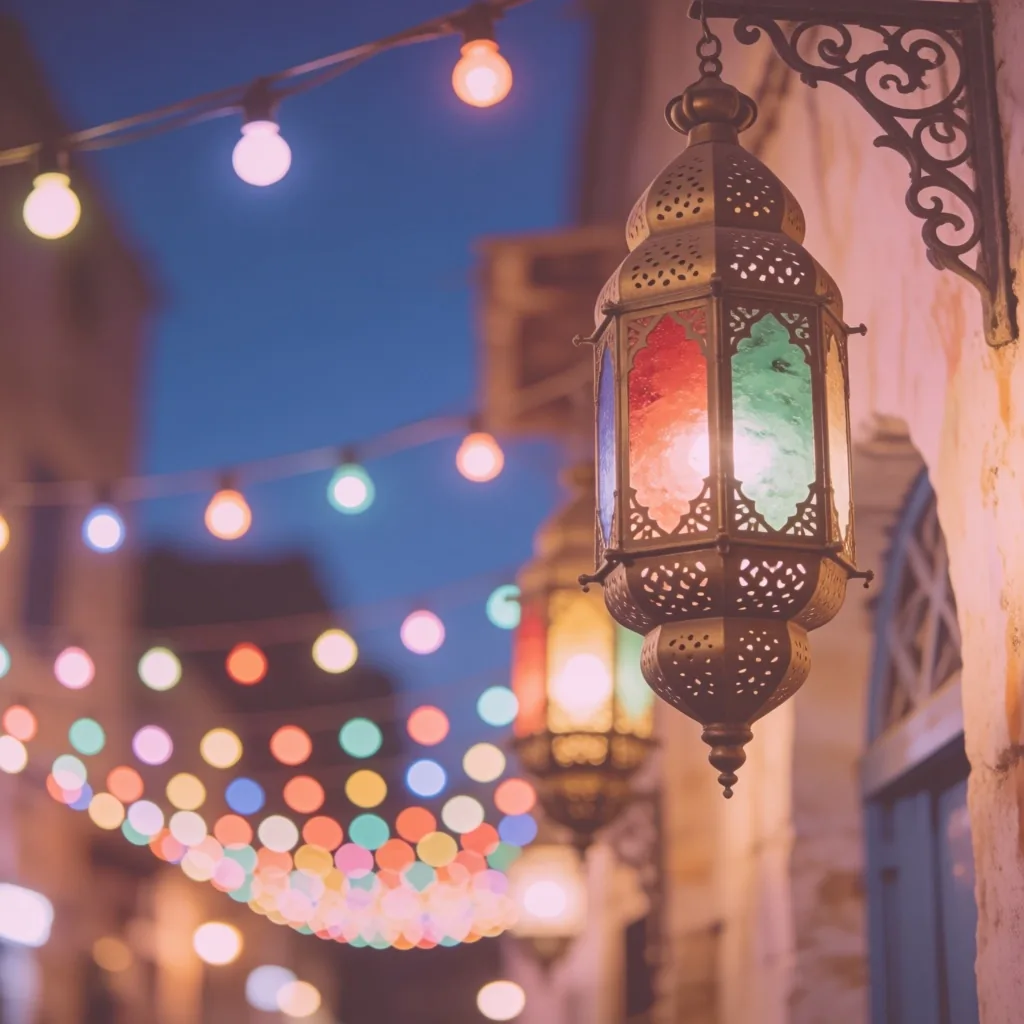
Ramadan reshapes the daily rhythm of an entire country. From dawn to sunset, many cafes and restaurants close, office hours shorten, and the pace of public life slows. After sunset prayers, the streets fill again with shared meals, lights, and late-night markets.
For the traveller into Egypt this is a cultural opportunity, not an obstacle. Shift your main meal to the evening, carry snacks and water for daylight hours, and be mindful that drivers and service workers are fasting. Major sites remain open, often with adjusted hours.
Ramadan shifts earlier by roughly eleven days each Gregorian year. Check the exact dates for your travel window before booking.
Two Coasts, Two Calendars
Red Sea
The Red Sea is a year-round destination. Surface water stays warm enough for swimming in every month, though from December through February it can feel cool to some swimmers — particularly on windy days when the breeze cuts across the water.
The sweet spot for diving and snorkeling runs from late September through May: the water is clear, the air is not oppressive, and the marine life is active. Summer on the coast is hot but bearable — the sea breeze does real work — and it is the one region where mid-summer travel is a legitimate choice.
Mediterranean
The north coast is a strictly seasonal destination. From June through August the shore is fully operational — resorts open, restaurants running, beaches staffed. Outside that window the infrastructure scales down hard.
Winters on the north coast are wet and quiet by local standards; many venues close entirely. If you are planning a beach trip to the Mediterranean, lock your dates inside June, July, or August.
Egypt Is Not One Climate
It can rain in Alexandria while Aswan is dry and thirty degrees warmer.
Egypt spans roughly 1,200 kilometers from north to south. The Mediterranean shore has a wet winter; the upper Nile is dry year-round and far hotter; the Red Sea coast is moderated by the water; the Western Desert sees extremes between day and night. A multi-city itinerary can cross three of these zones in a single week.
Our egypt travelling guides list the local forecast sources worth checking at each stop. Treat the nationwide summary as a starting point — never as the final word for a specific town.
Indicative daytime range, Oct–Sep annual span. Always check a current local source before departure.
Wildlife & Bloom
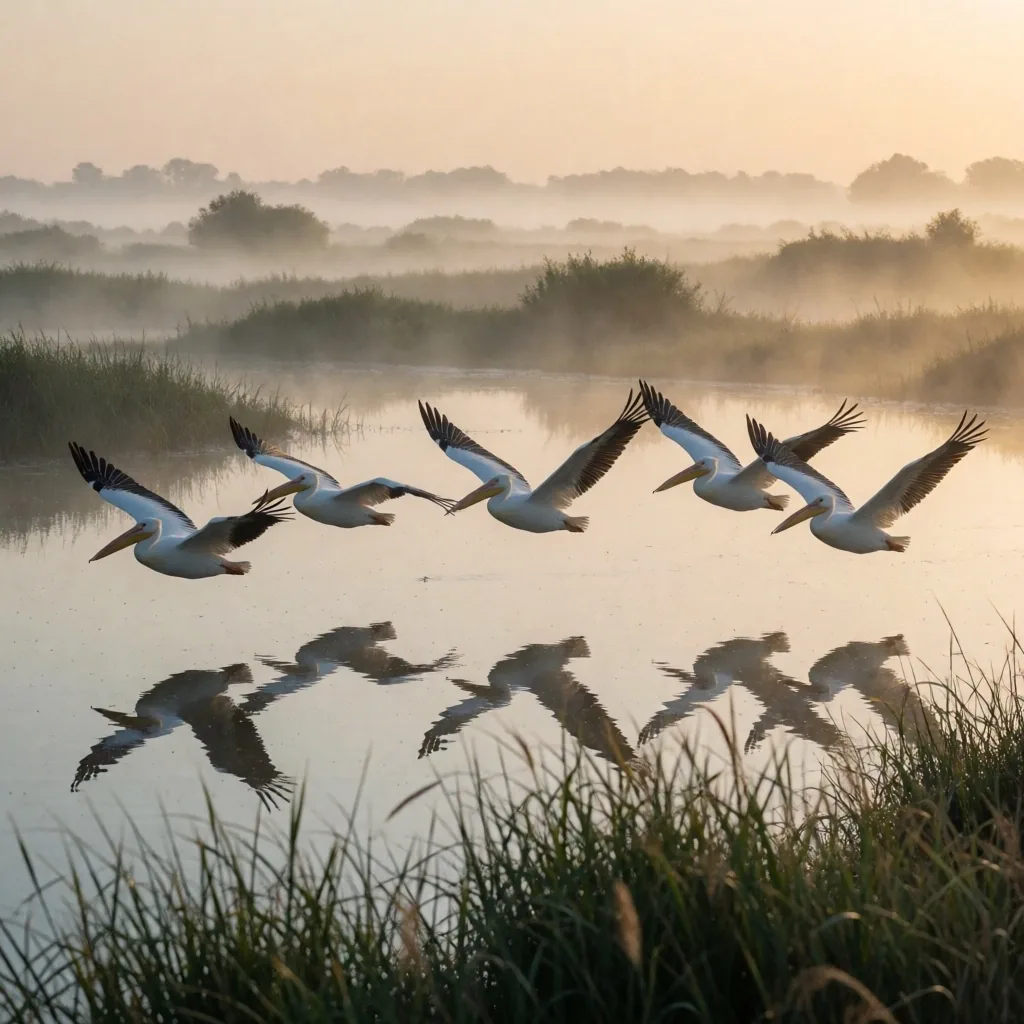
Egypt sits across a major migratory flyway between Europe and Africa. In spring and autumn, millions of birds pass through the Nile Valley and the wetlands north of Cairo — a draw for anyone with binoculars and patience.
After the rare winter rains, the desert blooms briefly. Wildflowers appear in the oases and wadis for a short window, and the landscape that looks barren for most of the year shows a different face. These natural events are seasonal and unpredictable — treat them as a reason to travel, not a guarantee.
For naturalists: spring migration peaks March–April, autumn migration September–October. The northern wetlands are the most accessible vantage point from Cairo.
Festivals & National Days
Beyond religious observances, the Egyptian calendar includes national holidays and cultural festivals that can change the character of a visit. Some close transport corridors; some fill public parks; some are reasons to go.
Holiday dates shift each year on the Gregorian calendar; confirm exact dates for your travel window.
Packing For The Seasons
What you carry depends on when and where. Winter evenings in the desert drop sharply; summer in the cities demands the lightest cloth you own. Use these lists as a starting point and adjust for your specific route.
Winter
- —Warm layer for desert evenings (jacket or fleece)
- —Long trousers for cool nights in the south
- —Light scarf for sun and wind
- —Sturdy walking shoes for sites
- —Light layers for daytime warmth
Summer
- —Breathable cotton or linen only
- —Wide-brimmed hat with chin cord
- —UV sunglasses (category 3+)
- —Refillable water bottle, 1 L minimum
- —High-SPF sunscreen, reapplied midday
- —Cooling scarf or neck wrap
Shoulder
- —Layered system: t-shirt + shirt + light jacket
- —Dust scarf for Khamaseen wind days
- —Mixed footwear: sandals + walking shoes
- —Swimwear for Red Sea stops
- —Light rain layer for the north coast
Seasonal FAQ
01 What is the single best month to visit? +
October. The heat has broken across the country, the upper Nile is accessible again, the Red Sea is warm and clear, and the winter crowds have not yet arrived. Late March runs a close second for similar reasons in reverse — before the heat builds but with longer days.
02 Is summer genuinely too hot? +
In the south, yes — daytime highs in Luxor and Aswan routinely exceed 40°C from June through August, and sightseeing on foot is impractical between late morning and late afternoon. On the Red Sea coast, sea breezes keep conditions bearable. Cairo is hot but functional. If you tolerate heat and plan around the hottest hours, summer is workable and rewarding.
03 How does Ramadan affect travel? +
Daytime is quieter: many cafes and restaurants close until sunset, and office hours shorten. Major sites remain open, often with adjusted timing. After sunset, the streets fill with food and festivity. Carry snacks and water for the day, plan your main meal for the evening, and be considerate of staff who are fasting. Ramadan shifts roughly eleven days earlier each Gregorian year — confirm exact dates for your trip.
04 What should I wear in winter? +
Layers. Daytime in the Nile Valley sits around 19–24°C — a shirt and light trousers are fine. After sunset in the desert or on the coast, temperatures drop to 8–13°C and a warm jacket is necessary. Pack a fleece or insulated layer, a scarf, and closed shoes for evenings. See the packing section above for the full list.
05 Which coast should I pick for swimming? +
The Red Sea, almost any time. Water temperatures stay between 21°C and 28°C year-round, and the coast is built around marine activity. The Mediterranean north coast is a summer-only destination — outside June through August, most services scale down and the sea is cold. If swimming is your priority, the Red Sea is the reliable choice across the calendar.
Make The Most Of Any Season
No calendar month is wrong for Egypt if you plan for what it brings. Each season has its own character: the access of winter, the quiet of summer, the balance of the shoulders. Our egypt travelling guides are built to help you match the season to the trip you want — and to adjust your expectations when the calendar does not cooperate.