
EG Traveller · Field Guide 03
Safety and Health Recommendations
The well-being of every traveller into Egypt matters for a successful trip. This field guide covers hydration, food safety, traffic, pharmacies, insects, personal security, insurance, and environmental awareness — straightforward, practical advice for navigating Egypt with confidence.
Section 01
A Calm, Evidence-Based Approach to Staying Well
Egypt is generally a safe destination with low rates of violent crime against visitors. Still, the climate, the food, the traffic, and the sheer sensory intensity of the place call for preparation. Our egypt travelling guides focus on practical, field-tested advice — what to drink, what to eat, how to cross a street in Cairo, and how to pace yourself when the sun is relentless. Take a proactive approach to your health and safety, and you free your attention for the things you actually came to see.
The guidance below applies across the country — from the Mediterranean coast to the southern temples, from the Red Sea resorts to the Western Desert oases. Adapt it to your itinerary, the season, and your own health needs. When in doubt, ask a local pharmacist, your hotel front desk, or your embassy helpline.
Heat, Hydration, and Food Safety
01 — Heat
Staying Hydrated and Heat Safety
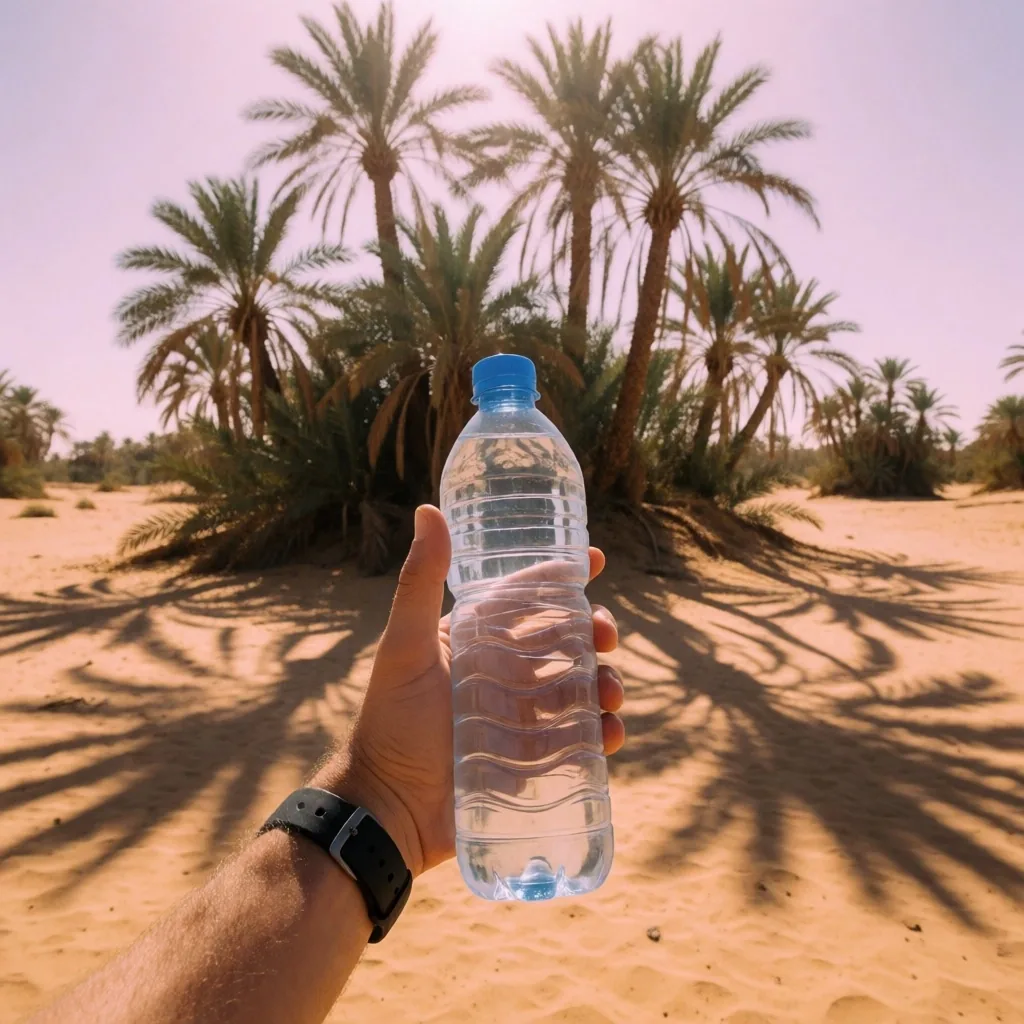
The Egyptian sun can be exceptionally strong, especially in the southern regions like Luxor and Aswan, where daytime temperatures regularly exceed 40°C in summer. Dehydration and heat exhaustion are common issues for visitors who are not accustomed to the climate. Drink bottled water frequently — not just when you feel thirsty — and carry a bottle with you at all times.
Wear light, loose clothing, a wide-brimmed hat, and avoid outdoor activities during the peak afternoon heat between noon and 4 PM. Our travel guides emphasize recognizing the early signs of heat exhaustion: headache, dizziness, nausea, and heavy sweating. If you notice these, find shade immediately, drink water with a pinch of salt, and rest until your body recovers.
02 — Water
Food and Water Precautions
To avoid stomach upsets, be cautious about what you eat and drink. Do not drink tap water — use bottled or filtered water even for brushing your teeth. Sealed bottles from reputable brands are widely available at shops, hotels, and roadside stalls.
When it comes to food, look for busy stalls with high turnover — a crowd of locals is a good sign the food is fresh. Ensure meat is cooked thoroughly and served hot. Avoid raw vegetables that may have been washed in tap water, and peel fruit yourself. Our egypt travelling guides provide practical tips for enjoying local cuisine while minimizing the risk of foodborne illness.
03 — Insects
Protecting Against Insects and Sun
In areas near the Nile or in the oases, mosquitoes can be a nuisance, especially at dusk. While the risk of serious insect-borne diseases is low in most tourist zones, it is wise to use repellent containing DEET and wear long sleeves and trousers in the evenings.
High-quality sunscreen is a must for any traveller into Egypt. Apply SPF 30 or higher every morning and reapply after swimming or heavy sweating. Sunburn can ruin a trip faster than any illness. Pack a small health kit with repellent, sunscreen, oral rehydration salts, and basic first-aid supplies before you leave home.
Section 03
Common Health Services and Pharmacies
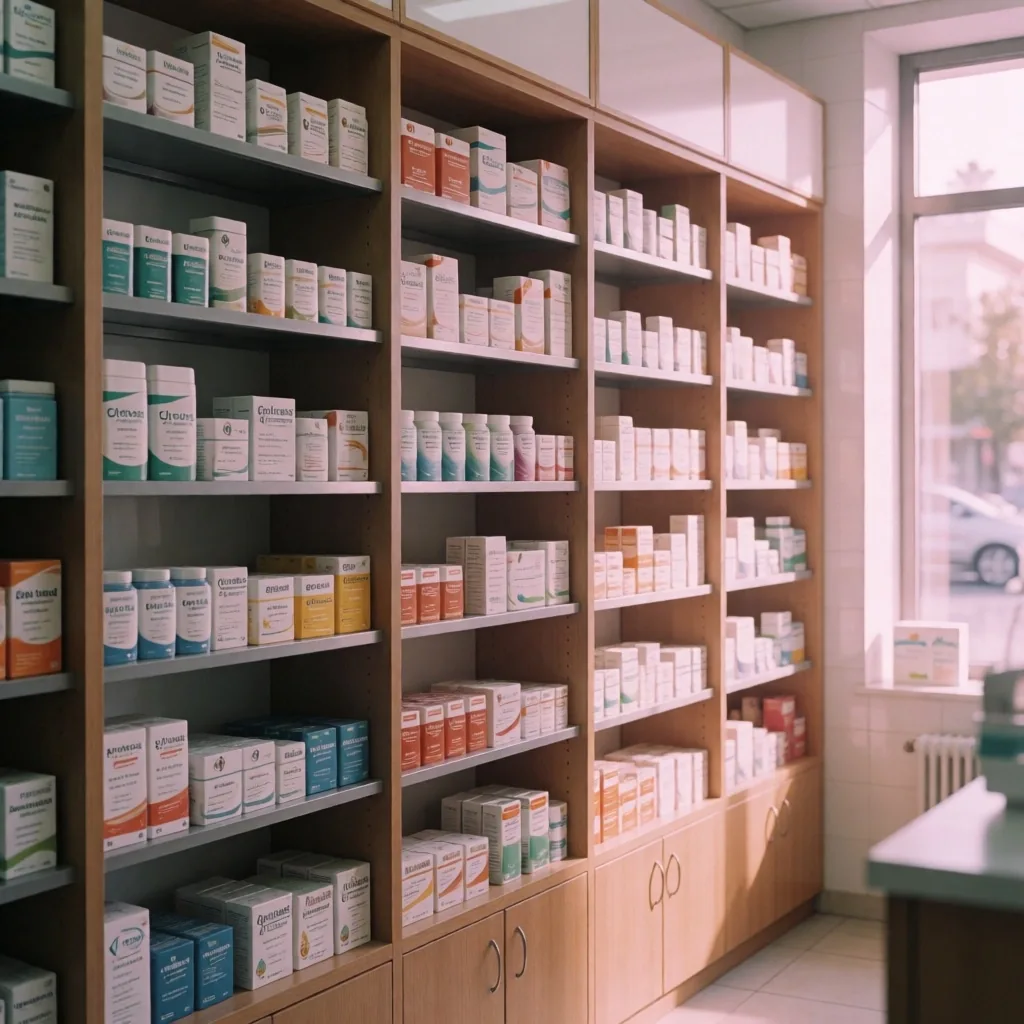
Egypt has a widespread network of pharmacies, and they are often the first point of contact for minor health issues. Pharmacists are usually well-trained, speak English in tourist areas, and can provide advice and over-the-counter medications for common ailments — stomach upsets, sunburn, insect bites, and minor infections.
For more serious concerns, major cities — Cairo, Alexandria, Luxor, Hurghada, Sharm El-Sheikh — have private hospitals and clinics that offer high-quality care, often with English-speaking staff. Our travel guides provide information on how to locate these services in each region, what to expect during a visit, and how to handle payment or insurance claims on the spot.
Section 04
Navigating Traffic and Getting Around Safely
Traffic in large Egyptian cities can be chaotic and may seem overwhelming to new arrivals. Pedestrians should be extremely careful when crossing streets, as vehicles do not always stop at designated crossings. The best approach is to follow the lead of locals — wait on the curb, watch a group of Egyptians cross, and walk at their pace with confidence. Hesitation in the middle of a lane is more dangerous than steady movement.
Crossing Streets
Stay alert to your surroundings. Avoid looking at your phone while walking. If a crossing seems impossible, walk to the nearest traffic light or pedestrian bridge.
Taxis and Ride Apps
Use reputable ride-sharing apps where the fare is tracked and the driver is identified. If taking a regular taxi, agree on a price beforehand or ensure the meter is running before you move.
Public Buses
Buses are inexpensive but crowded. Keep valuables in a front pocket or cross-body bag and stay aware of your belongings at all times.
Long-Distance Travel
For intercity routes, choose established operators with modern fleets. Domestic flights are a practical option for Cairo–Luxor–Aswan legs.
Our egypt travelling guides provide a breakdown of the safest ways to get around, both within cities and for long-distance travel, including what to expect on overnight trains and private transfers.
Personal Safety and Security Awareness
Belongings and Crowds
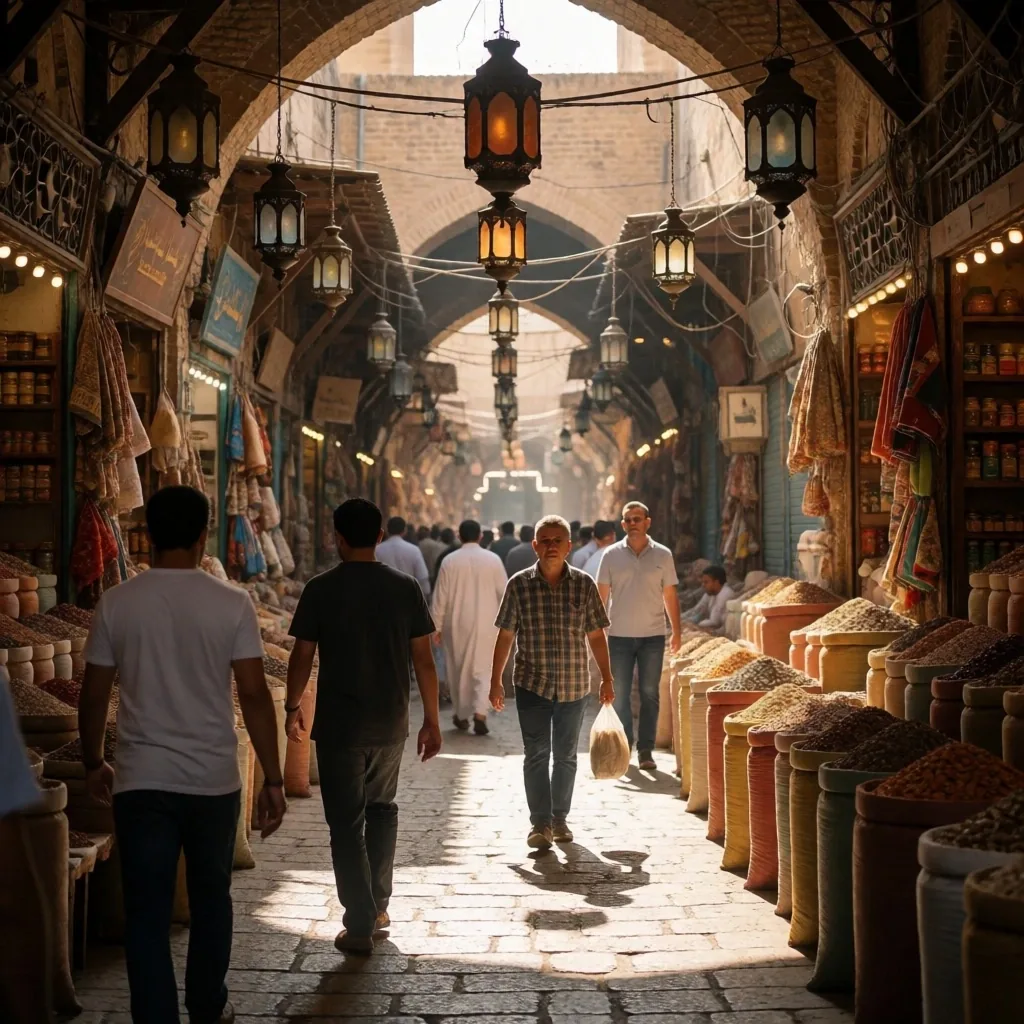
Egyptians are generally very welcoming, but like in any major tourist destination, stay aware of your belongings. Pickpocketing can occur in crowded markets or on public transport. Keep valuables secure, avoid displaying large amounts of cash, and carry a cross-body bag that zips shut.
Stay Informed and Rested
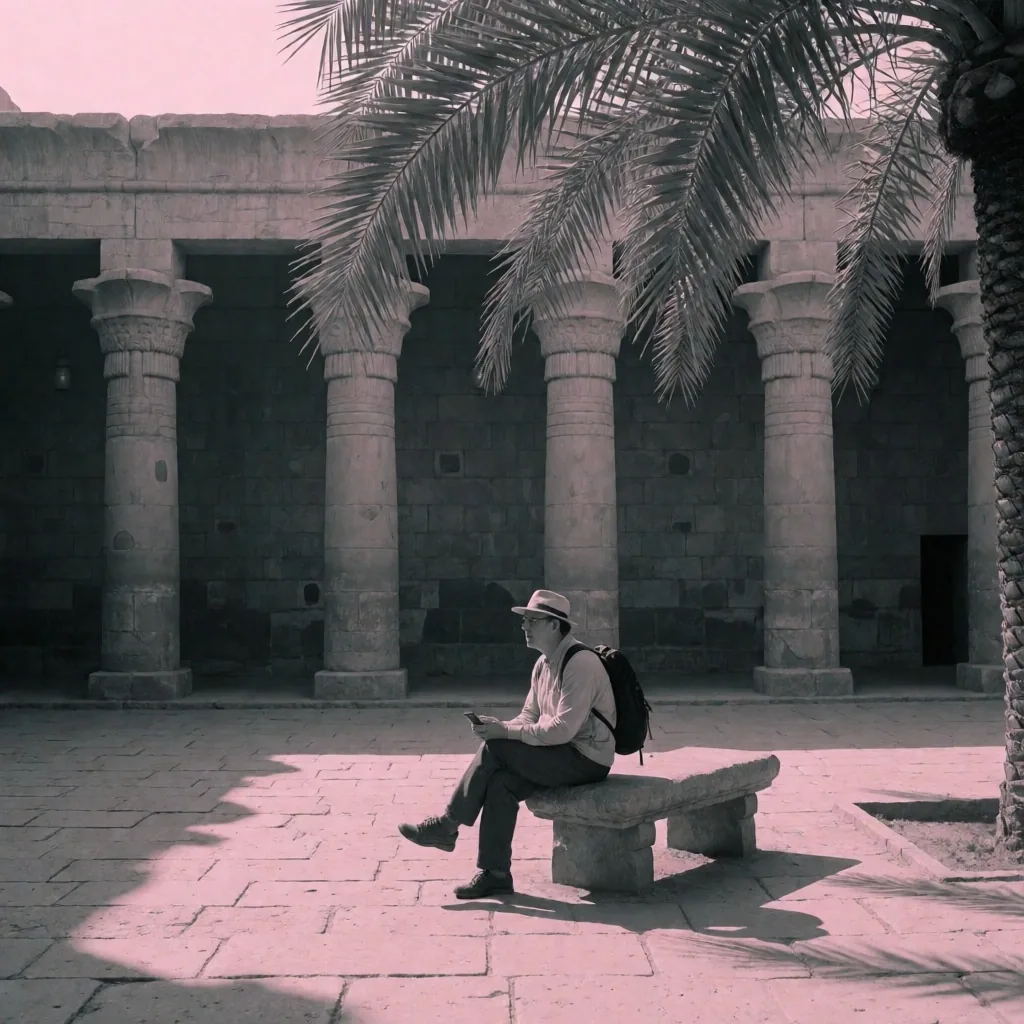
Stay informed about local news and follow any travel advisories issued by your home government. The sights, sounds, and smells of Egypt can be intense — it is normal to experience a degree of culture shock. Pace yourself. Do not try to see everything in one go. Find quiet spaces to rest and process your experiences.
Section 06
Environmental Safety in the Desert and Sea
In the Desert
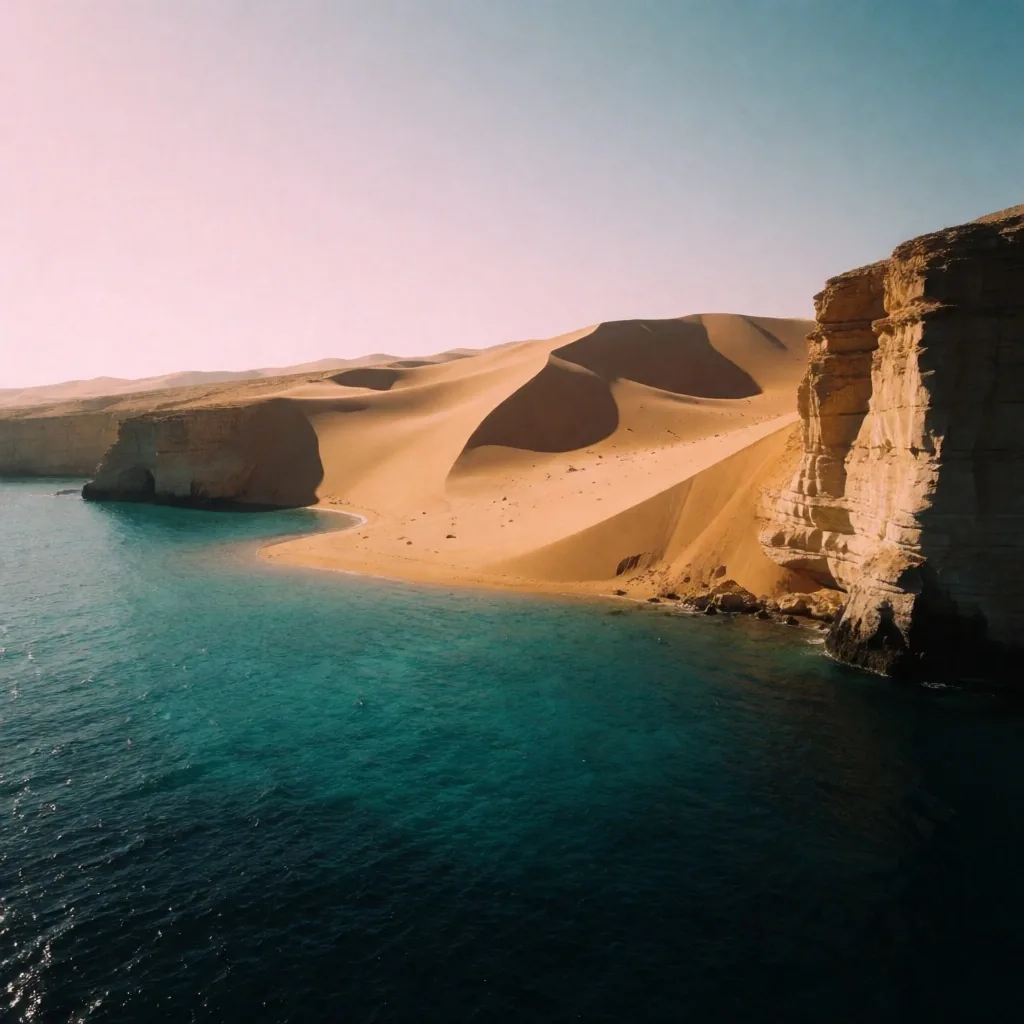
Never travel alone in the desert. Always ensure someone knows your itinerary and your expected return time. Carry more water than you think you need, a charged phone, and a physical map. Mobile coverage is unreliable in remote areas, so let your hotel or guide know your route before you leave.
Sudden sandstorms can reduce visibility to near zero in minutes. If the wind picks up and the sky turns brown, find shelter, cover your face, and wait. Our guides emphasize the importance of respect for the natural environment as a key component of personal safety.
In the Sea
When swimming or snorkelling in the Red Sea, be mindful of currents. They can be strong even in calm-looking water. Swim at designated beaches with lifeguards where possible, and check the current conditions before entering the water.
Avoid touching marine life. Some coral and fish can cause painful stings or bites. Wear water shoes on rocky shores. If you plan to dive, use a certified operator and review your equipment before every dive. Your safety depends on preparation more than skill.
Section 07 — Field Checklist
What to Pack for Your Health
Section 08
Travel Insurance and Emergency Contacts
Having comprehensive travel insurance is essential for any international trip. A good policy should cover potential medical emergencies, trip cancellations, and lost belongings. We recommend a policy that includes medical evacuation, especially if you plan to visit remote areas like the Western Desert or the deep south.
Keep a list of emergency contacts easily accessible — stored in your phone and printed on paper. Include your embassy in Cairo, your insurance helpline, your hotel front desk, and local emergency services.
Emergency Reference
Local Emergency Services
Police · 122 Ambulance · 123 Fire · 180
Your Embassy
Note your embassy's Cairo address and 24-hour hotline before you travel. Store the number in your phone and keep a printed copy in your wallet.
Section 09
Mental Well-being and Culture Shock
The sights, sounds, and smells of Egypt can be intense. The call to prayer echoing across a city at dawn, the honking traffic, the heat, the crowds at ancient sites — it is a lot to absorb, and it is normal to feel overwhelmed. Taking time to rest and process your experiences is just as important as the sightseeing itself.
We encourage travellers to pace themselves. Build rest afternoons into your itinerary. Sit in a quiet café, return to your room, or find a shaded garden. Do not try to see everything in one go — Egypt rewards depth over speed. Our egypt travelling guides offer tips on finding quiet spaces and maintaining your mental well-being during a busy itinerary, including how to recognise when you need a break and where to find one.
Section 10
Safety FAQs
Is tap water safe to drink in Egypt?
No. We advise against drinking tap water anywhere in Egypt. Use sealed bottled water for drinking and brushing your teeth. It is inexpensive and available everywhere.
What do I do if I get sick during my trip?
For minor issues — stomach upsets, sunburn, insect bites — visit a pharmacy first. Pharmacists are well-trained and can recommend over-the-counter medication. For anything more serious, go to a private clinic or hospital in the nearest major city.
Is it safe to walk around at night?
In tourist areas and city centres, yes — Egyptians are out late and streets stay busy. Use the same judgement you would at home: stick to well-lit streets, avoid empty alleys, and keep your phone and wallet secured.
Do I need vaccinations before travelling to Egypt?
Check with your doctor or a travel health clinic at least a month before departure. Routine vaccinations should be up to date. Your doctor may recommend additional protection depending on your itinerary and the season.
How do I safely cross a busy street in Cairo?
Stand at the curb, find a local who is also waiting to cross, and walk with them at a steady pace. Do not stop in the middle of the lane. If traffic is too heavy, walk to the nearest traffic light or pedestrian bridge.
What should I do in a sandstorm?
Find shelter indoors. Cover your nose and mouth with a scarf or mask. If you are driving, pull over, turn off your engine, and wait for visibility to return. Sandstorms usually pass within a few hours.