
Cultural Etiquette — Traveller Into Egypt
Cultural Etiquette for Travellers
Understanding and respecting local customs is the most important step for any traveller into Egypt who wants a positive and meaningful experience. Egypt has deep-rooted traditions that value hospitality, modesty, and community.
Three Foundations
How Egyptian Social Life Works
Modesty
Modesty is a central theme in Egyptian social life, particularly when visiting religious sites or rural areas. For both men and women, covering the shoulders and knees is generally considered respectful in public spaces.
In large cities and coastal resorts, dress codes are more relaxed, but leaning toward the conservative side when in doubt always reads well to your hosts.
Hospitality
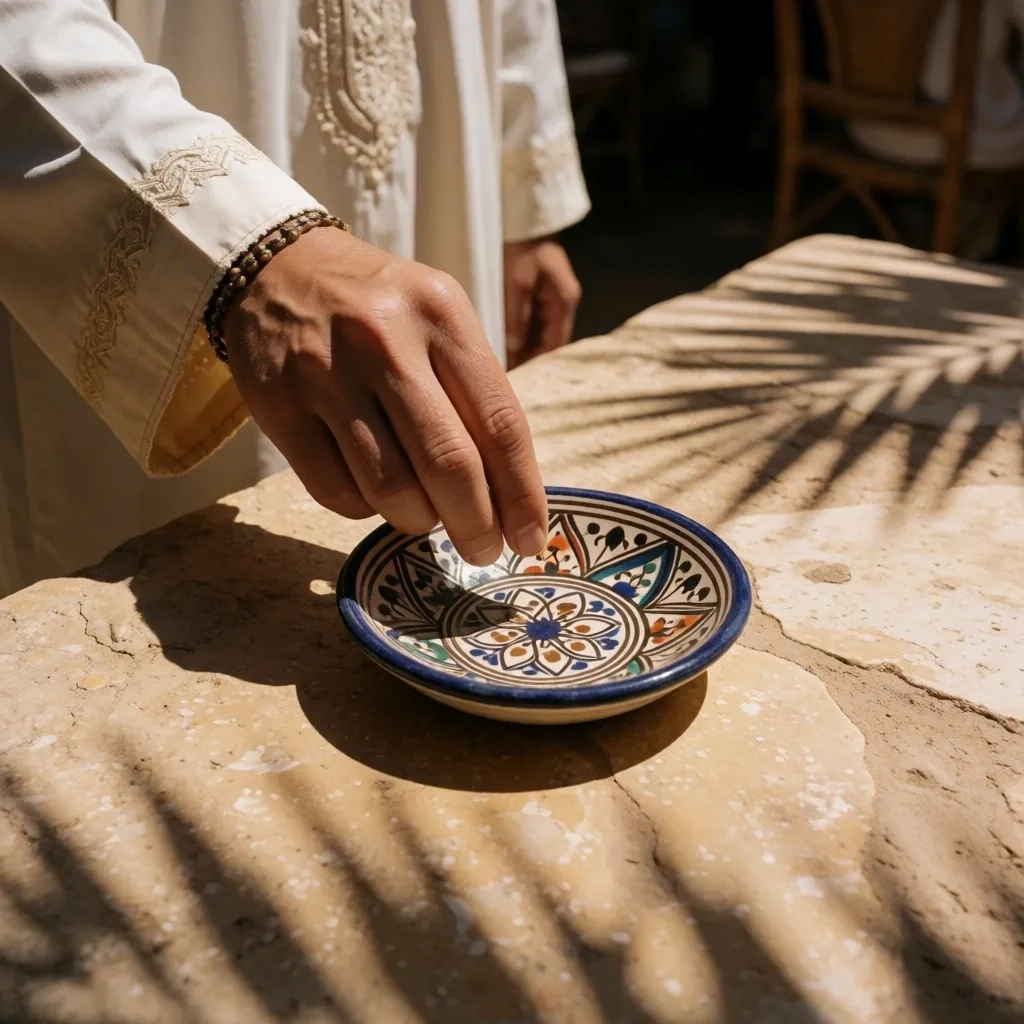
Being invited for a meal or a cup of tea is common in Egypt, reflecting the country's legendary hospitality. If you are invited to someone's home, it is customary to bring a small gift such as sweets or fruit.
Remove your shoes before entering, and accept second helpings if offered — it shows your appreciation for the food and the effort behind it.
Community
Egyptians are known for warm and elaborate greetings that go beyond a simple hello. Learning basic Arabic phrases like Salam Alaikum goes a long way in establishing rapport with locals.
Small talk about well-being and family before getting down to business is normal. Our egypt travelling guides explain how to respond naturally in these moments.
01 — Dress Code
The Importance of Modest Dress
Modesty is a central theme in Egyptian social life, particularly when visiting religious sites or rural areas. For both men and women, covering the shoulders and knees is generally considered respectful in public spaces.
In the large cities and coastal resorts, dress codes are more relaxed, but it is always better to lean toward the conservative side when in doubt. We provide specific clothing recommendations for different settings to help you feel comfortable and blend in.
View Dress Code Advice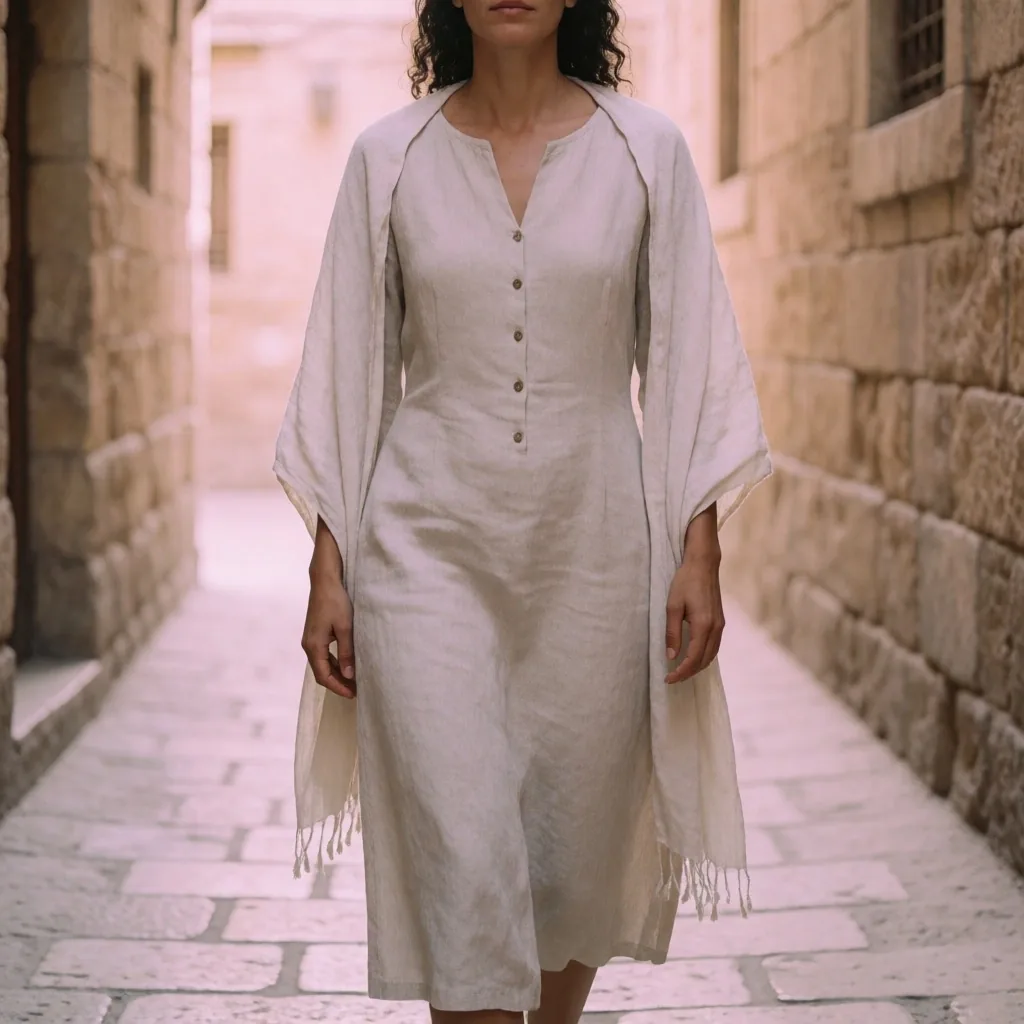
02 — Social Interaction
Greetings and Social Interaction
Egyptians are known for their warm and elaborate greetings, which often involve more than just a simple hello. Learning basic Arabic phrases like Salam Alaikum can go a long way in establishing rapport with locals.
It is common to engage in small talk about one's well-being and family before getting down to business. Our travel guides explain the social significance of these interactions and how to respond appropriately in various situations.
Salam Alaikum
Peace be upon you — the standard greeting used throughout the day.
Shukran
Thank you — useful in every interaction from markets to taxis.
Afwan
You're welcome — a polite response when someone thanks you.
03 — Dining
Dining Etiquette and Hospitality
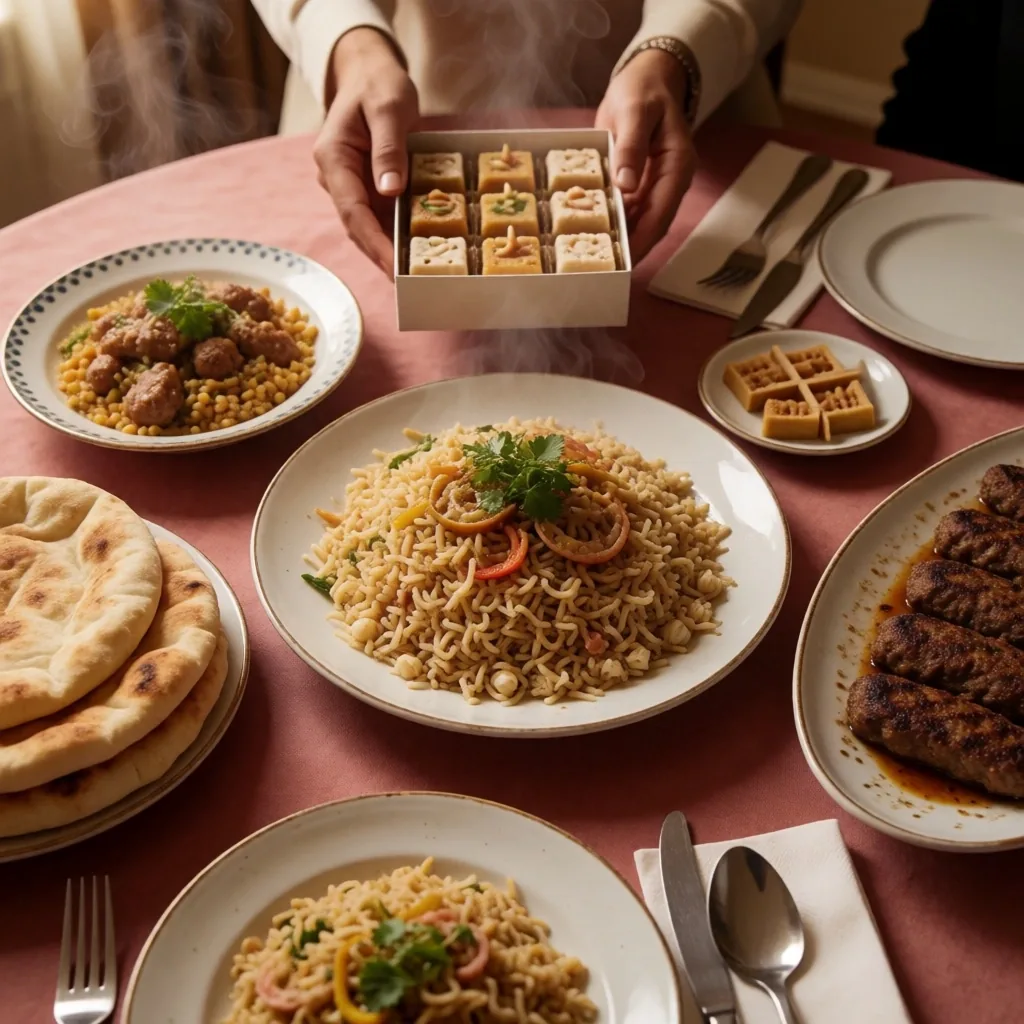
Being invited for a meal or a cup of tea is a common occurrence in Egypt, reflecting the country's legendary hospitality. If you are invited to someone's home, it is customary to bring a small gift, such as sweets or fruit, and to remove your shoes before entering.
During the meal, it is polite to accept second helpings if offered, as this shows your appreciation for the food. We detail these and other dining customs to help you be a gracious guest.
04 — Baksheesh
Tipping Culture
The concept of baksheesh is a pervasive part of daily life in Egypt, and it can be confusing for many international visitors. It is a small tip or gratuity given for even minor services, from holding a door to providing directions.
While it is not always mandatory, it is a significant part of the income for many service workers. Our egypt travelling guides provide a practical framework for how much to tip and when it is appropriate to do so.
Restaurant Server
Round up the bill or add a modest tip for table service.
Local Guide
Recognised separately from the service fee, at your discretion.
Hotel Staff
Small change for luggage help or daily room service.
05 — Markets
Negotiating and Business
Negotiating prices, or haggling, is a standard practice in traditional markets and for certain services like taxi rides. It is viewed as a social interaction rather than a conflict, and it should always be conducted with a smile and a sense of humor.
However, in modern shops and restaurants, prices are usually fixed, and negotiation is not appropriate. We provide tips on how to handle these transactions fairly and respectfully for both parties.
Traditional Markets
Haggling expected — start below asking, meet in the middle.
Taxi Rides
Agree on the fare before getting in, or ask for the meter.
Fixed-Price Shops
Negotiation is not appropriate — respect the listed price.
06 — Religious Practices
Religious Sensitivity and Practices
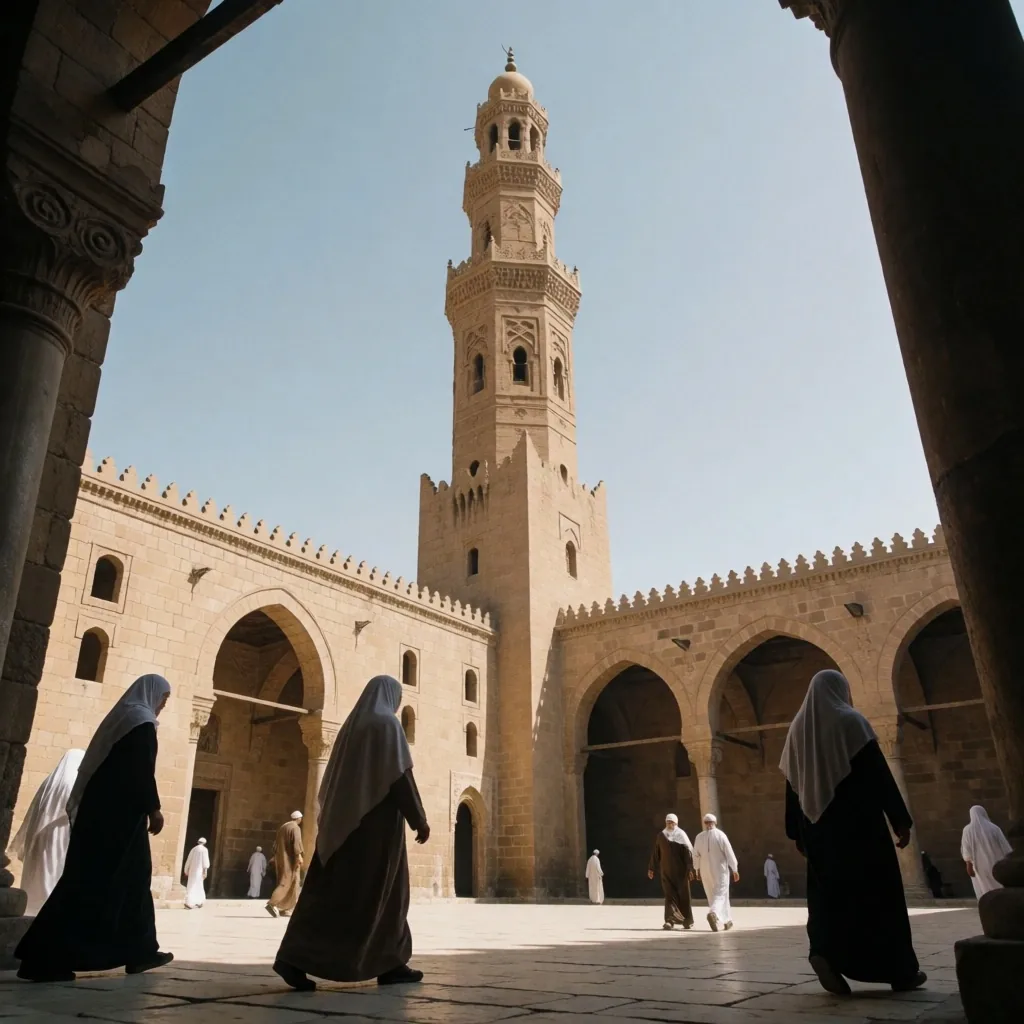
Islam is the predominant religion in Egypt, and its practices influence many aspects of daily life. Visitors should be mindful of prayer times, which occur five times a day, and the fact that some businesses may close briefly during these periods.
During the holy month of Ramadan, it is respectful to avoid eating, drinking, or smoking in public during daylight hours. We offer advice on how to be sensitive to these religious observations without disrupting your own travel plans.
Ramadan Note
After sunset, families gather to break the fast. Many restaurants stay open late, and the evening atmosphere is lively and welcoming. Joining the evening meal is one of the best ways to experience Egyptian hospitality.
07 — Photography
Photography Etiquette
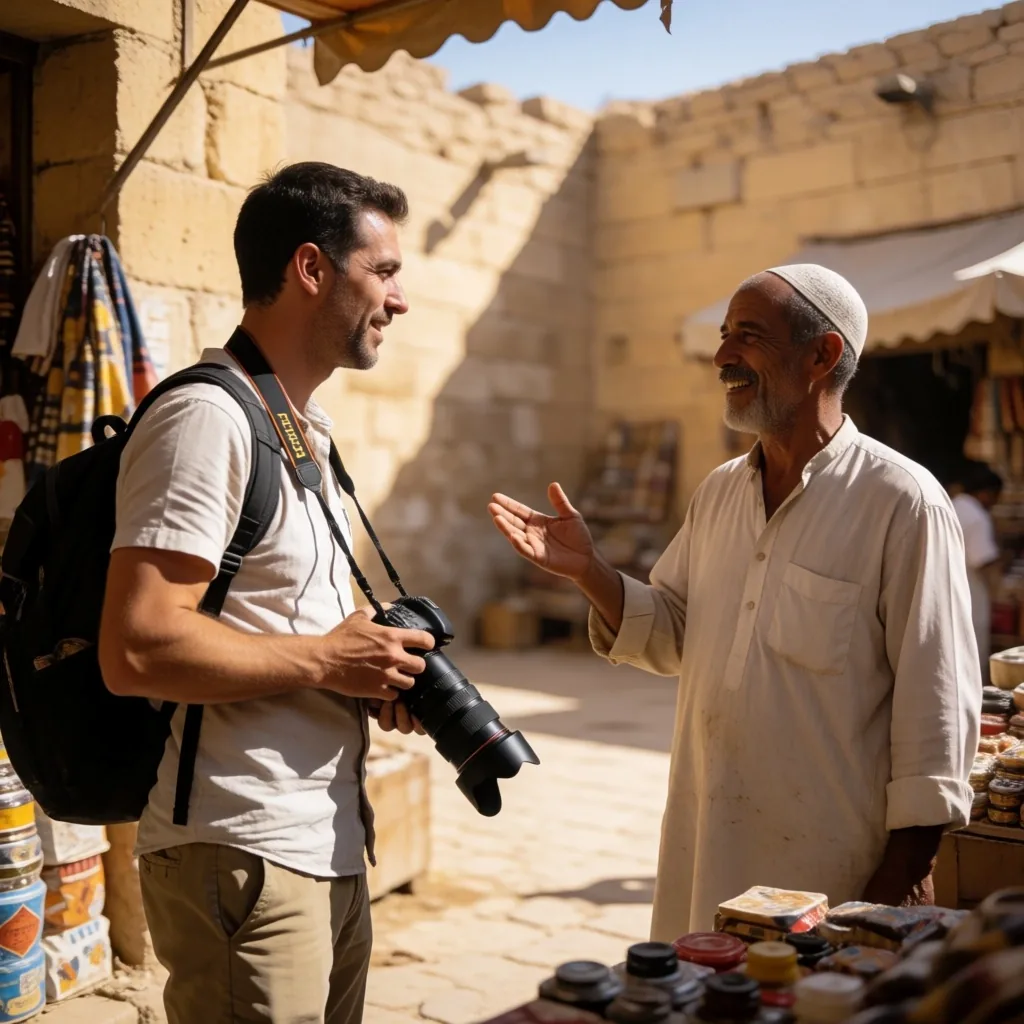
While Egypt is incredibly photogenic, it is important to be respectful when taking pictures of people or certain buildings. Always ask for permission before photographing individuals, especially in more traditional or rural areas.
Photography is strictly prohibited near military installations, bridges, and some government buildings. Our travel guides help you understand where you can safely snap photos and where you should keep your camera tucked away.
08 — Heritage
Environmental and Heritage Respect
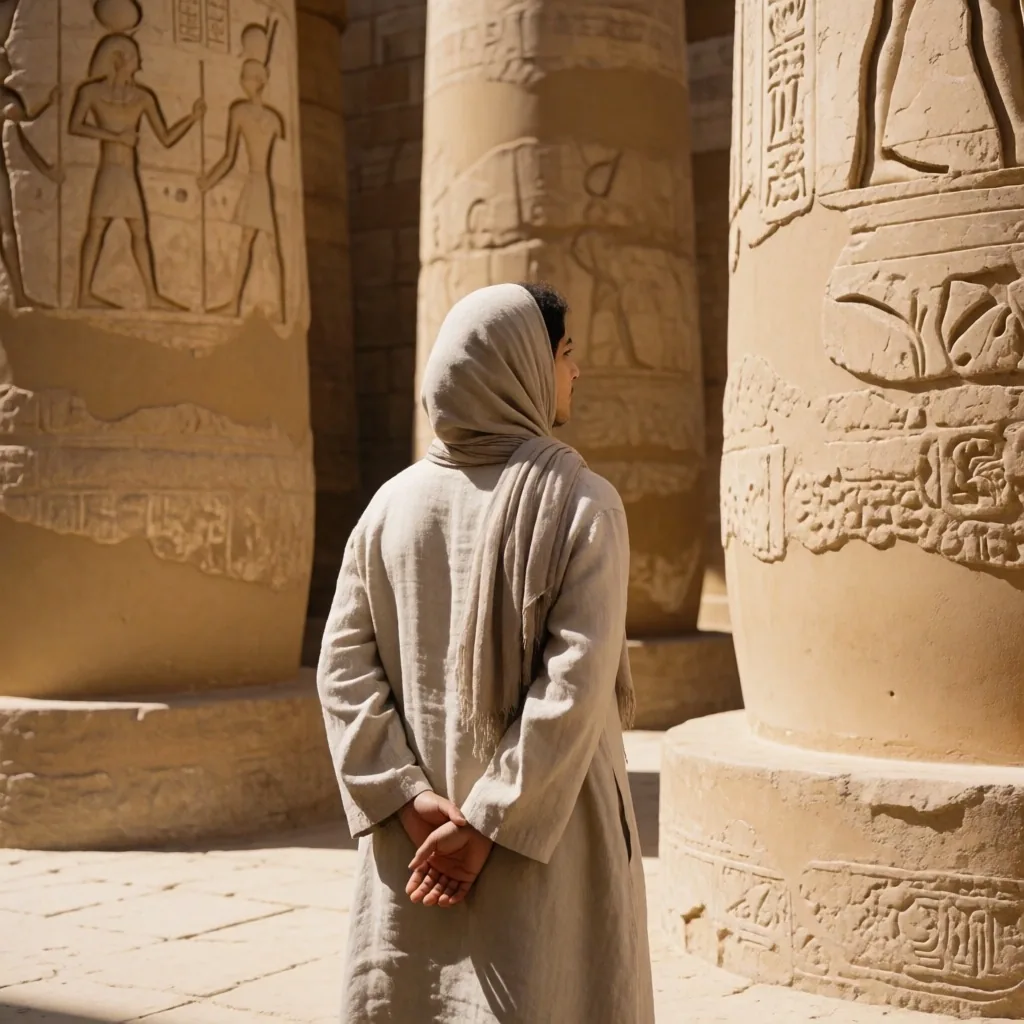
Egypt's historical sites and natural environments are thousands of years old and require the utmost care from visitors. It is vital to follow all posted rules, such as not touching ancient stones or littering in the desert.
We emphasize the leave-no-trace philosophy to ensure that these wonders remain intact for future generations. Respecting the physical heritage of the country is just as important as respecting its living culture.
09 — Communication
Communication Styles and Non-Verbal Cues
Egyptian communication is often indirect and relies heavily on non-verbal cues and context. A yes might sometimes mean maybe in an effort to be polite and avoid disappointment.
Understanding these subtle communication styles can help you manage your expectations and avoid misunderstandings. Our travel guides provide insight into the common gestures and speaking styles you will encounter during your stay.
10 — Solo Travel
Gender Dynamics and Solo Travel
Understanding the local gender dynamics can help a traveller into Egypt navigate social spaces more effectively. In some traditional settings, there are separate areas for men and women, such as on public transport or in certain cafes.
Solo female travellers may find that adopting local dress and social cues helps minimize unwanted attention. Our guides offer specific advice for women travelling alone to ensure they feel secure and respected throughout their journey.
Common Questions
Practical Etiquette Questions
What should I wear when visiting religious sites in Egypt?
+
For both men and women, covering the shoulders and knees is the general standard. Loose, lightweight fabrics work well in the heat. Some sites provide coverings at the entrance, but bringing your own scarf or shawl ensures you are always prepared. In coastal resorts the dress code is more relaxed, but a modest layer is still the safer choice when you enter any place of worship.
Is baksheesh mandatory, and how much should I give?
+
Baksheesh is not always mandatory, but it is expected for many small services. The amount is usually modest — small change for someone holding a door or giving directions, and a slightly larger tip for guides or hotel staff. The social logic is that the tip acknowledges the person's effort, and for many service workers it forms a real part of their income.
Can I take photos freely at historical sites?
+
Most outdoor historical sites allow photography, but some interior spaces restrict camera use. Always check for posted signs. Never photograph military installations, bridges, or government buildings — these restrictions are enforced. When photographing people, asking for permission first is the respectful default, especially in traditional and rural communities.
How should I handle Ramadan as a visitor?
+
During daylight hours, avoid eating, drinking, or smoking in public spaces out of respect for those who are fasting. Many hotels and tourist-oriented restaurants remain open. After sunset, the mood shifts — families and communities gather to break the fast, and the evening becomes social and lively. Joining that atmosphere is one of the most welcoming parts of visiting during Ramadan.
Is it appropriate to haggle in every shop?
+
Haggling is expected in traditional markets and for taxi fares. In modern shops, restaurants, and fixed-price stores, negotiation is not appropriate. The key is reading the setting: if the seller names a price and invites you to respond, a friendly counteroffer is part of the exchange. If there is a printed price tag, the matter is settled.
Continue Reading
More from our Egypt Travelling Guides
Cultural awareness is one part of a well-prepared trip. Our travel guides cover safety, transport, seasonal timing, and document essentials so you arrive informed and ready to engage with Egypt on its own terms.