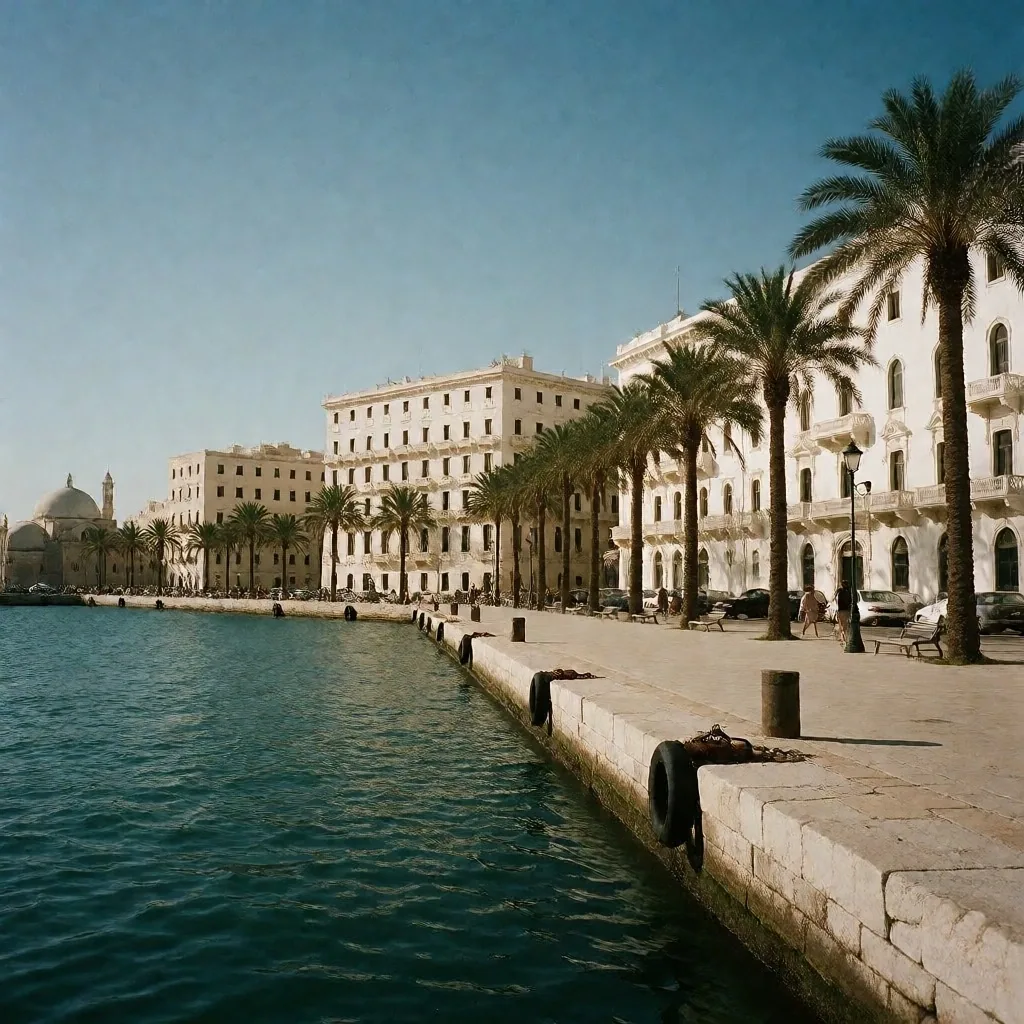
Date palms casting sharp shadows on a Red Sea beach at midday
30°47'N 31°10'E · GIZA PLATEAU · 26°49'N 33°59'E · HURGHADA SHORE · 24°05'N 35°25'E · MARSA ALAM REEF · 31°12'N 29°15'E · ALEXANDRIA HARBOUR · 25°31'N 30°34'E · LUXOR WEST BANK ·

EG Traveller · Field Notes · 2026

Recent Articles and Travel Insights

Our articles section is a living resource that offers deep dives into specific topics and the latest updates for any traveller into Egypt. Here, we move beyond the basic logistics to explore the culture, hidden corners, and evolving travel landscape of the country. Our egypt travelling guides in article form provide a more narrative look at what makes Egypt such a fascinating destination. Check back regularly for new content that can help you add unique experiences to your Egyptian itinerary.

Chapter 01 · Desert and Markets

Beyond the Nile Valley

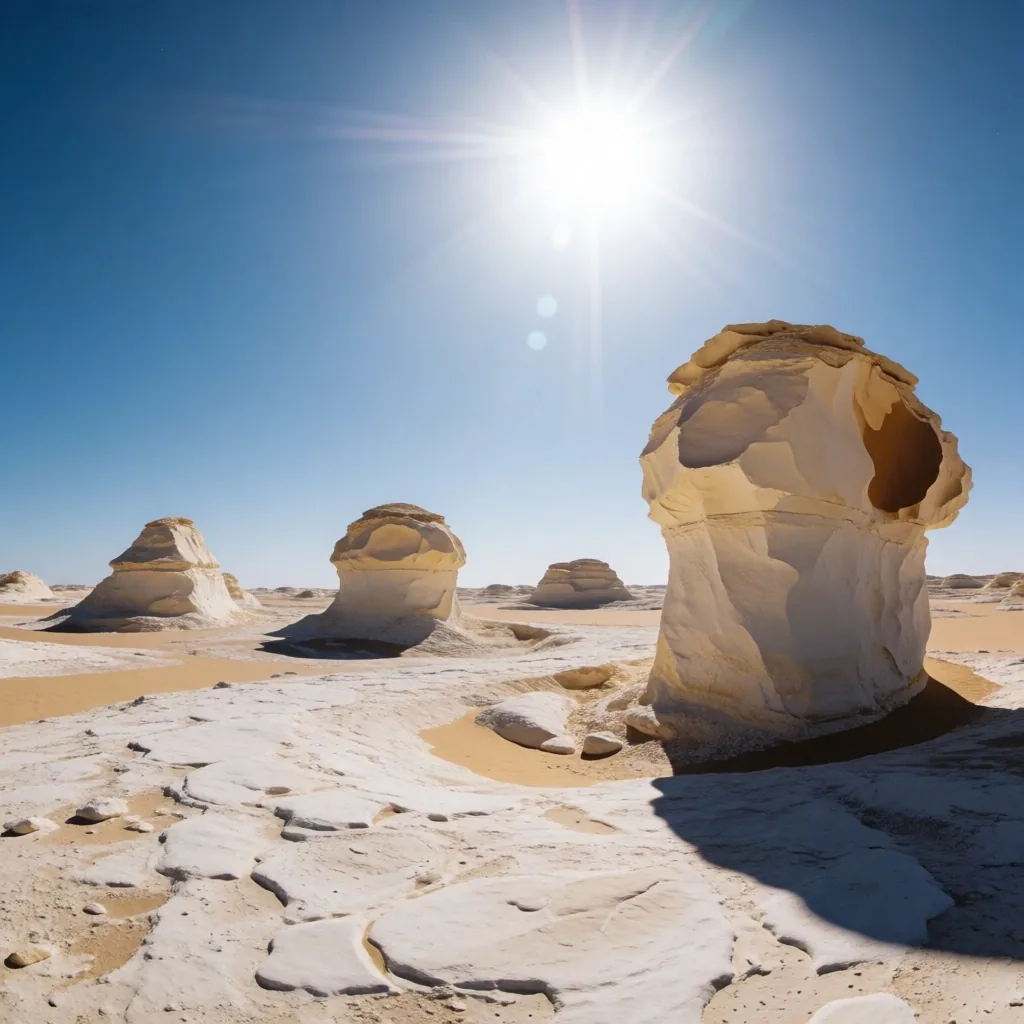
White Desert chalk formations under bright sunlight
Desert

Exploring the Oases of the Western Desert

The Western Desert is home to several spectacular oases that offer a completely different experience from the Nile Valley. From the unique culture of Siwa to the agricultural heart of Bahariya, these remote outposts are well worth the journey. Our articles detail the logistics of reaching these areas and the natural wonders you can find there, such as the White Desert's chalk formations. This is a must-read for any traveller into Egypt looking for adventure away from the main path.

Planning a desert route requires understanding water stops, fuel availability, and the best season for travel between October and March, when daytime temperatures drop to manageable levels.

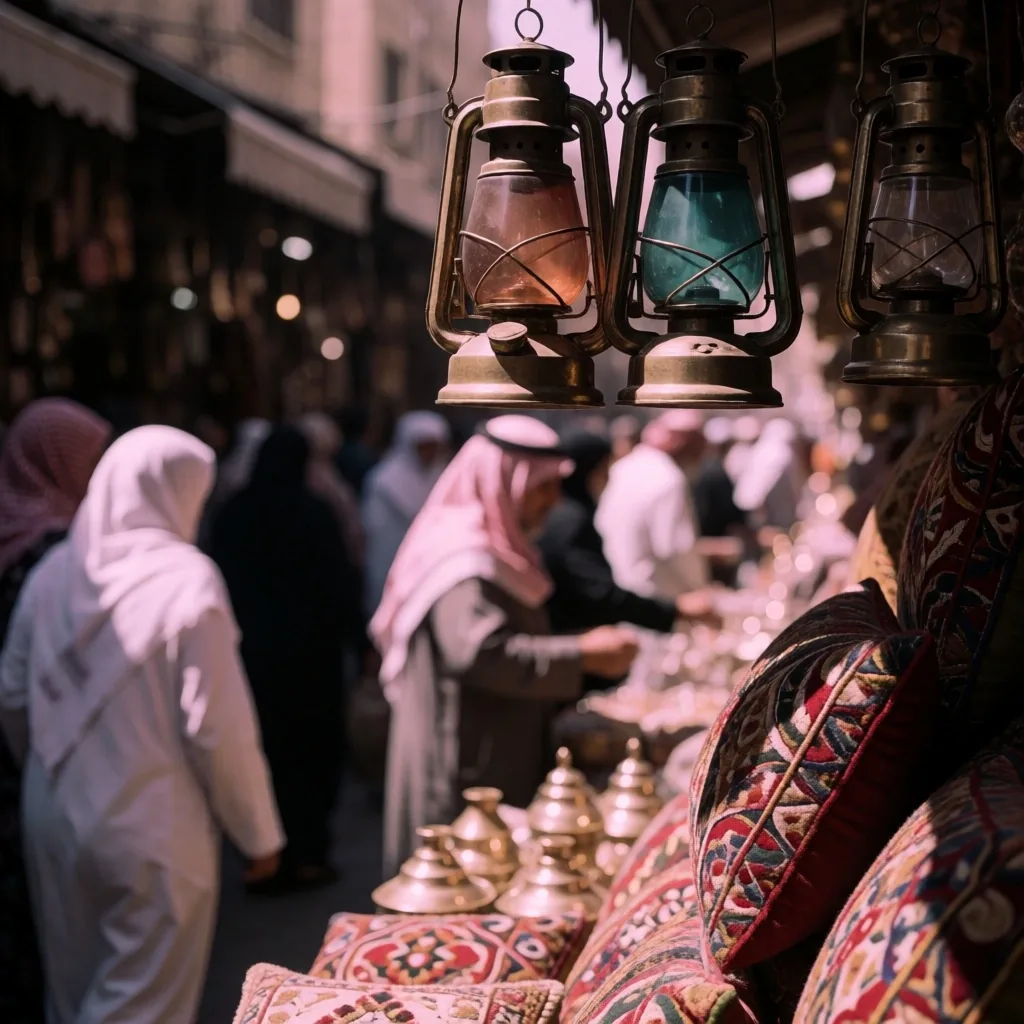
Narrow Egyptian souk alley with spices and textiles
Markets

Navigating the Souks: A How-To

The traditional markets, or souks, are a sensory overload and a central part of Egyptian life. We provide a guide on how to navigate these busy spaces, from understanding the layout to the art of respectful negotiation. Our articles highlight what to look for in terms of quality and authenticity for various local crafts. Whether you are looking for spices, textiles, or metalwork, our guide will help you shop with confidence.

Bargaining is expected in most markets — begin by asking the seller for their best figure, then work toward a price you are comfortable with. Keep the tone friendly and be prepared to walk away; a good negotiation ends with both sides satisfied.

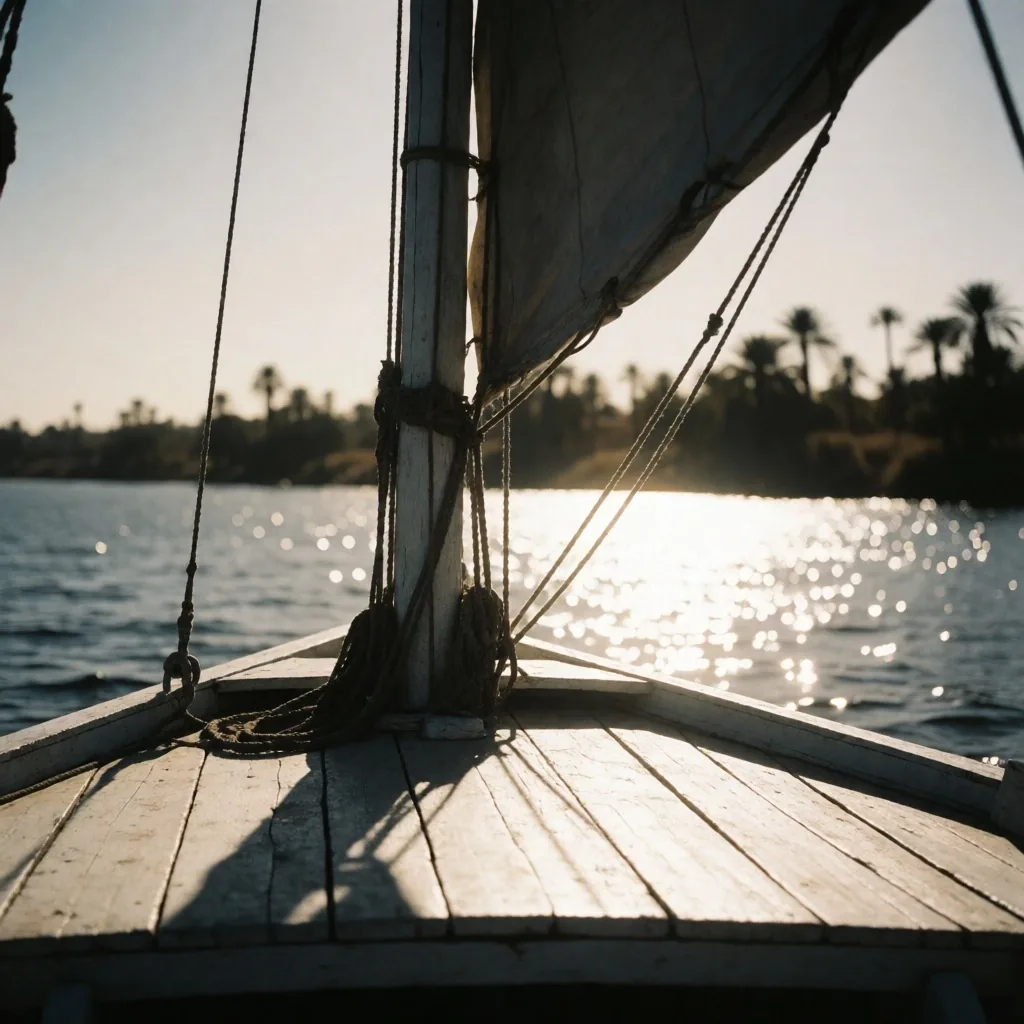
Traditional felucca boat sailing on the Nile

Chapter 02 · The River

The Magic of a Nile Felucca Trip

A journey on a felucca, a traditional wooden sailing boat, is a tranquil way to experience the beauty of the Nile. Our articles discuss what to expect on a multi-day trip, including sleeping under the stars and visiting small villages along the river. This is a slower, more intimate way to see the landscape and interact with the river's inhabitants. We provide tips on how to choose a boat and a crew for a safe and memorable experience.

Most felucca trips depart from Aswan, where the river narrows and the current carries you past islands and granite outcrops. Two- and three-day routes are common, with meals prepared on deck and bedding laid out under open sky. Agreeing on the route, food, and cost in advance with the captain sets clear expectations for everyone aboard.

Chapter 03 · Food and Craft

Everyday Culture, Up Close

Food Field Guide

A Guide to Egyptian Street Food

Street food is the heart of the Egyptian culinary experience, offering a range of flavors that are both delicious and affordable. We explore the history and preparation of classics like koshary, ta'ameya, and various types of grilled meats. Our articles also provide tips on how to identify the best stalls and how to eat safely while enjoying these local favorites. Diving into the food scene is one of the best ways to connect with the local culture.

A reliable rule for choosing a street stall is to follow the queue — a long line of local customers usually means the food is fresh, the turnover is fast, and the kitchen is trusted by the people who eat there daily.

View Food Guide
Craft Artisans

Traditional Crafts and Artisans

Egypt has a long history of craftsmanship, and many traditional skills are still practiced today. We profile different crafts, such as tent-making, pottery, and glassblowing, and where you can see these artisans at work. Supporting these local businesses is a great way to ensure that these ancient traditions continue to thrive. Our articles provide a deeper understanding of the labor and history behind the items you see in the markets.

Workshops in Old Cairo and the Fustat area still produce tent panels, blown glass, and glazed pottery using methods passed through generations. Watching the process gives context to the objects you see for sale and helps you tell hand-made work from factory copies.

Cultural Etiquette

Chapter 04 · Old Cairo

Architecture of Old Cairo

Old Cairo is a treasure trove of architectural history, with layers of Coptic, Islamic, and colonial influences. We take a closer look at the historic places of worship, churches, and houses that line the narrow streets of this ancient neighborhood. Our articles provide the context needed to appreciate the significance of these buildings and the communities that still call them home. This is an essential read for anyone interested in the physical history of the city.

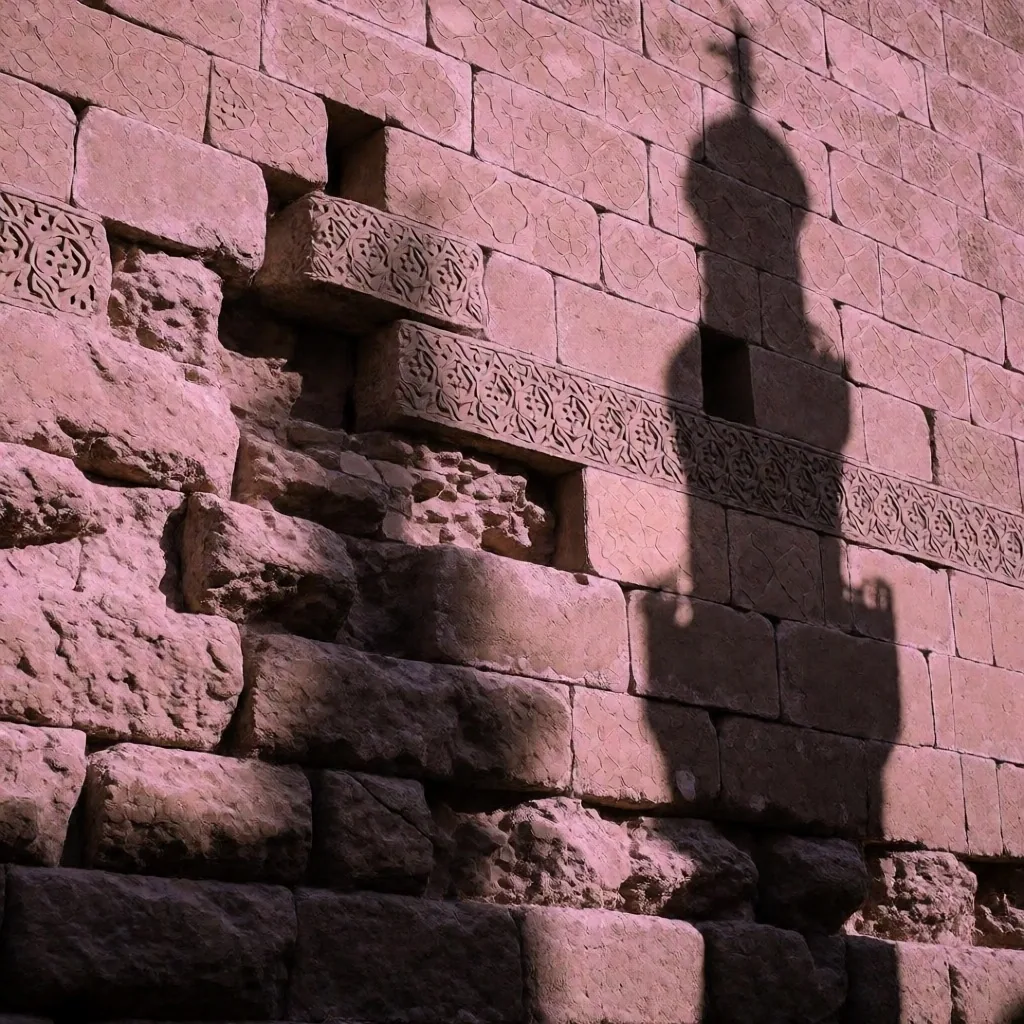
Walking through Coptic Cairo brings you past hanging churches, old synagogue foundations, and streets that predate the medieval walls. North of there, the Fatimid-era gates and narrow lanes of Islamic Cairo hold places of worship and old merchant houses still in daily use. Read the building inscriptions, notice the layering of stone repairs, and look for wooden mashrabiya screens on upper floors — these details tell the story of the district more clearly than any single guidebook entry.

Wear sturdy shoes for the uneven paving, and visit early in the day to move through narrow lanes before tour groups arrive.

Old Cairo stone wall with carved details and angular shadows
Coptic Cairo · Fatimid Cairo

Chapter 05 · Practical Life

Staying Connected and Slowing Down

01 Connectivity

Staying Connected: Tech Tips for Travellers

In the modern world, staying connected is a priority for most visitors, but it can be tricky in a new country. We provide a breakdown of the best mobile providers, how to find reliable Wi-Fi, and the useful apps you should download before you arrive. Our articles help you manage your digital life so you can stay in touch and navigate more easily. This practical advice is designed to make your tech experience in Egypt as smooth as possible.

Local SIM cards are widely available at airport kiosks and city shops — bring an unlocked phone and your passport for registration. Ride-hailing and mapping apps work well in Cairo and the larger Red Sea towns.

02 Social Life

Understanding Egyptian Coffee Culture

The coffee house, or ahwa, is a vital social institution in Egypt where people gather to talk, play games, and watch the world go by. We explain the etiquette of the ahwa and the different types of coffee and tea you can order. Understanding this social space is a key part of experiencing the daily rhythm of Egyptian life. Our articles encourage you to pull up a chair and join in this longstanding tradition.

Ordering is simple: ask for Turkish-style coffee, mint tea, or a glass of karkadeh (hibiscus tea). Sit facing the street, take your time, and pay when you leave — there is no pressure to turn the table over quickly.

03 Solo Travel

Tips for Solo Female Travellers

Egypt is a welcoming country, but solo female travellers may face unique challenges and social expectations. We provide a range of practical tips on dress, social cues, and navigating public spaces based on the experiences of women who have travelled extensively in the region. Our goal is to provide honest and empowering advice that helps women feel secure and confident. These articles are an important resource for a significant portion of our audience.

Covering shoulders and knees is a practical starting point. Joining group day trips for desert or river routes can ease the adjustment to local social norms while keeping the freedom to explore.

Chapter 06 · Natural World

Natural History and Conservation Efforts

Beyond the human history, Egypt has a rich natural history that is often overlooked. We look at the country's national parks, marine reserves, and the efforts being made to protect its unique biodiversity. From the coral reefs of the Red Sea to the bird sanctuaries of the Nile, there is much to discover for the eco-conscious traveller into Egypt. Our articles highlight the importance of environmental awareness during your visit.

Marine reserves along the southern Red Sea coast restrict fishing and anchoring to protect coral. Responsible snorkelling means keeping fins off the reef, using reef-safe sunscreen, and giving sea turtles and dugongs plenty of distance.

Red Sea coral reef from above with clear water

Where to Continue

Keep Reading the Guides

Every article here is part of a wider set of egypt travelling guides covering transport, seasonal planning, documents, and cultural etiquette. If a piece caught your interest, the related pages below carry the practical detail you need to turn reading into a workable plan.

EG Traveller — Field Office

7 Abd El-Rahman Hussein, Ad Doqi, Dokki, Giza Governorate, Cairo Governorate 11865, Egypt

Reach the Desk

+201030303784 · [email protected]

Mon–Sun: 09:00–21:00