
Section 01 — Coastal Cartography
Coastal Destinations in Egypt
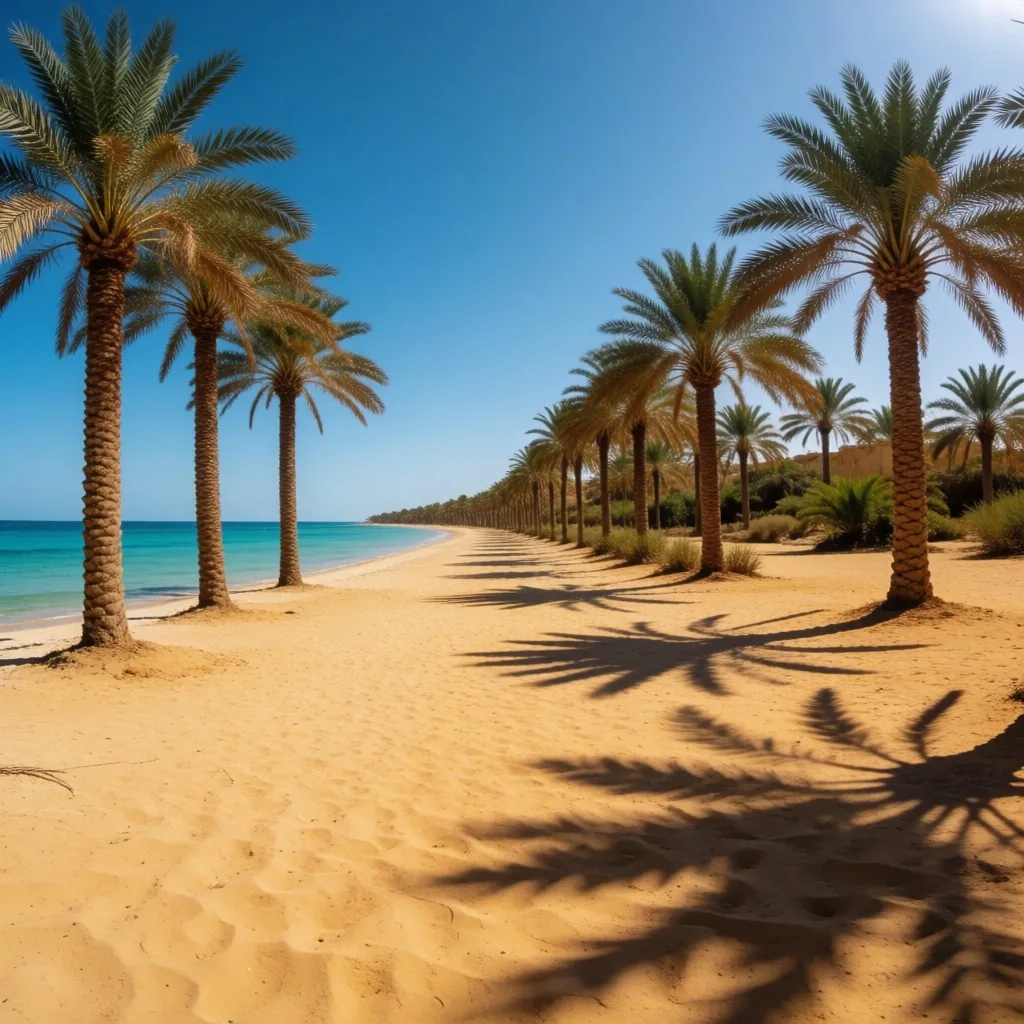
Egypt's coastlines offer a stunning variety of landscapes, from the vibrant coral reefs of the Red Sea to the white sandy beaches of the Mediterranean. For the traveller into Egypt, these coastal regions provide a refreshing alternative to the inland heat and a chance to experience the country's maritime culture. Our travel guides for the coast cover the major hubs and hidden gems along both the eastern and northern shores.
Orientation
We provide the essential details on how to reach these locations and what makes each one unique for visitors seeking sun, sea, and sand.
02 / Red Sea Riviera
The Red Sea Riviera
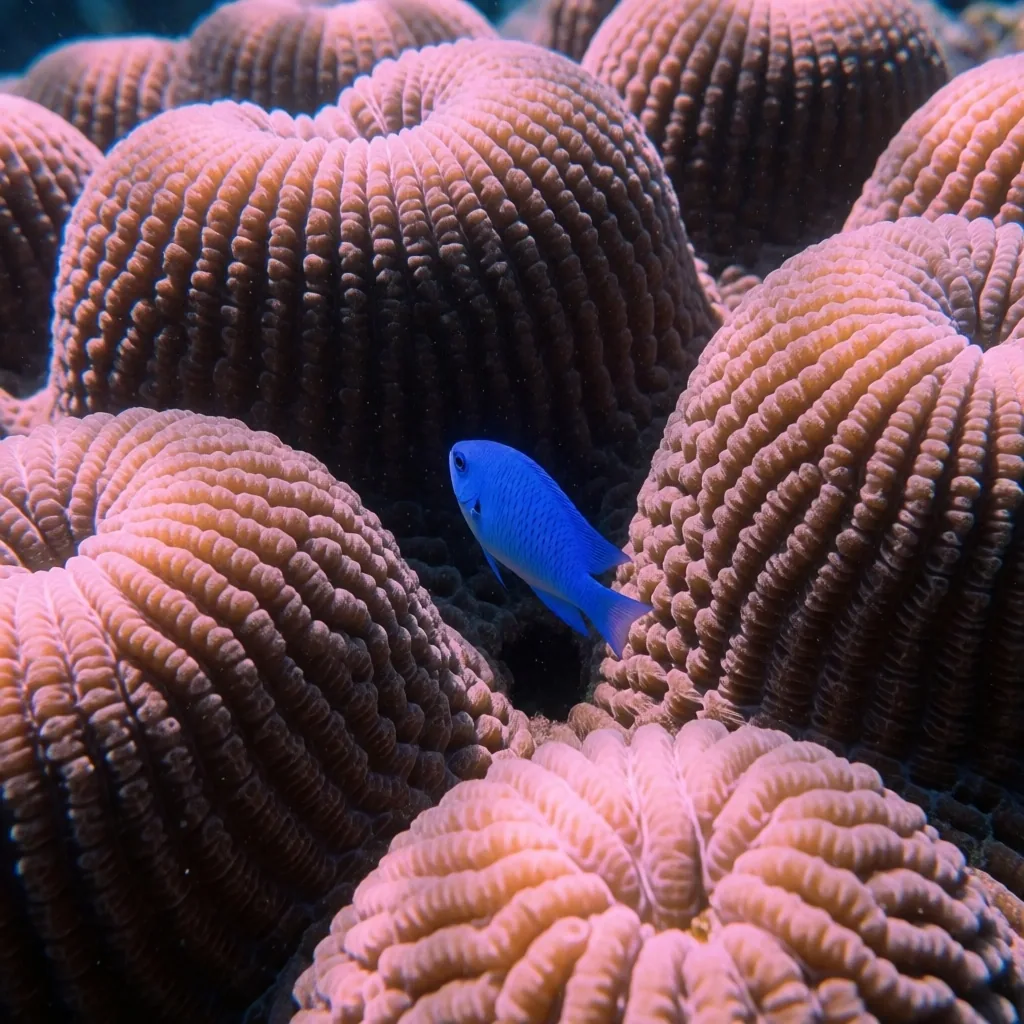
The Red Sea coast is world-renowned for its crystal-clear waters and diverse marine life, making it a top destination for divers and snorkelers. Cities like Hurghada and Sharm El Sheikh serve as the primary gateways to this region, offering a wide range of amenities and activities.
Beyond the major hubs, places like Marsa Alam offer a more tranquil experience for those looking to escape the crowds. Our egypt travelling guides help you navigate the different atmospheres of these towns so you can find the perfect spot for your coastal retreat.
Discover Red Sea GuidesNorth Coast / Sahel
Mediterranean North Coast
The North Coast, or Sahel, is a favorite summer destination for locals, known for its cooler temperatures and long stretches of Mediterranean beach. The area between Alexandria and Marsa Matrouh features some of the most beautiful turquoise waters in the region.
Unlike the year-round Red Sea, the North Coast is highly seasonal, with the peak activity occurring during the summer months. We provide advice on the best time to visit and what to expect in terms of local services during the off-season.
Sinai Peninsula
The Sinai Peninsula Shores
The coast of the Sinai Peninsula offers a rugged and dramatic beauty, where the mountains meet the sea. From the laid-back vibes of Dahab to the more developed areas of the southern tip, Sinai has a unique character that attracts a specific type of traveller into Egypt.
It is a place where you can find both world-class diving and quiet desert camps along the shore. Our guides explore the logistical aspects of travelling through Sinai and the various coastal settlements you can visit.
05 / Urban Coast
Alexandria: The Pearl of the Mediterranean
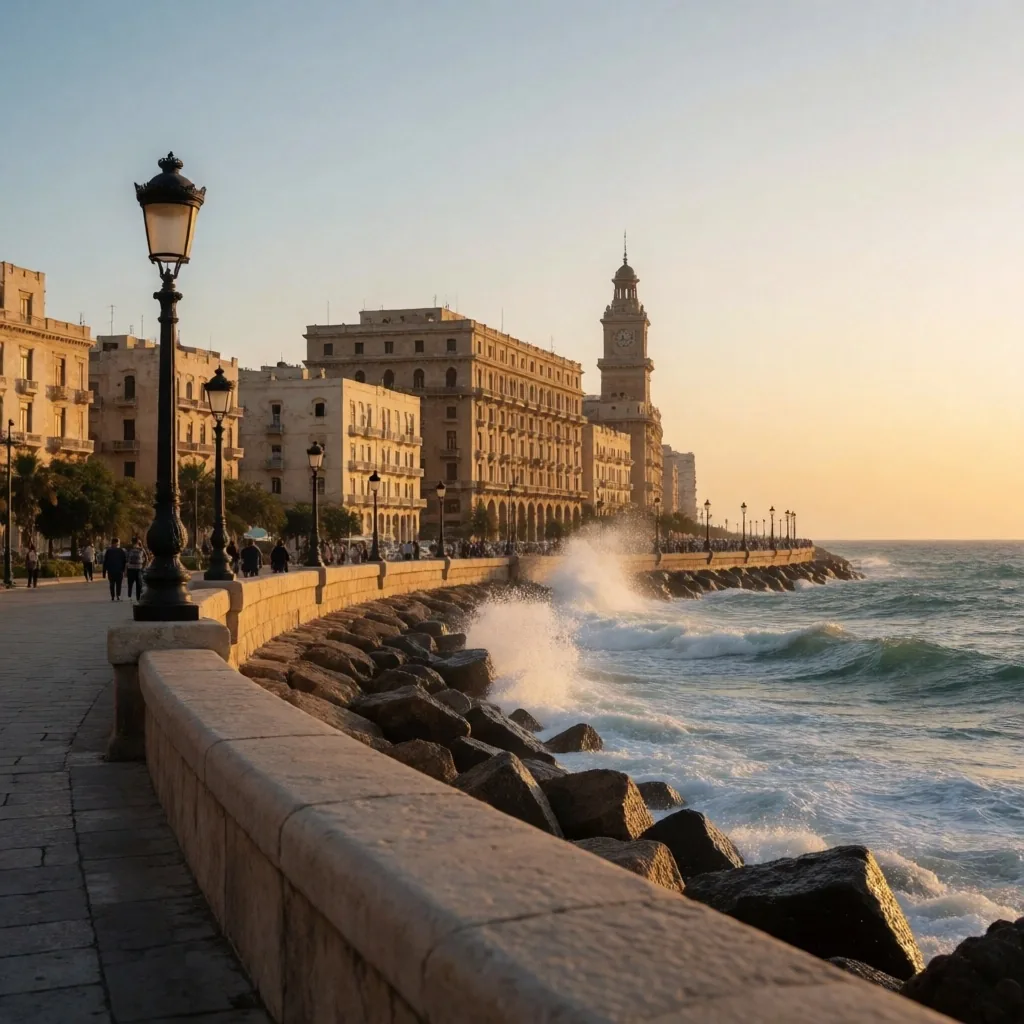
Alexandria is a city with a rich maritime history and a unique cosmopolitan atmosphere that sets it apart from the rest of Egypt. Its long waterfront corniche is the heart of the city, where locals and visitors alike gather to enjoy the sea breeze.
While it is more of a bustling port city than a typical beach resort, Alexandria offers several urban beaches and a wealth of cultural sites overlooking the water. We provide a detailed look at navigating this historic coastal city and its various seaside neighborhoods.
Explore Mediterranean Tips06 / Activity Matrix
Water Sports and Activities
Egypt's coasts are not just for lounging; they are centers for a variety of water sports, including kitesurfing, windsurfing, and sailing. The steady winds of the Red Sea make places like El Gouna a haven for kite enthusiasts from around the world. We detail the best spots for different activities and the seasonal conditions you should be aware of.
Kitesurfing
The Red Sea's consistent thermal winds create reliable cross-shore conditions from spring through autumn. El Gouna and Ras Sudr are the primary hubs, with flat-water lagoons suited to beginners and choppy open water for advanced riders.
Windsurfing
Dahab's Blue Lagoon is a globally recognized windsurfing spot. The sheltered inner lagoon offers flat water for learning, while the outer speed strip delivers strong gusts for planing and freestyle moves.
Diving & Snorkeling
The Red Sea's vertical walls and fringing reefs are accessible to all levels. Sharm El Sheikh and Marsa Alam offer shore entries, while liveaboard boats reach remote sites like the Brothers Islands for pelagic encounters.
Our travel guides ensure you have the information needed to safely enjoy the many aquatic adventures available along the shores.
07 / Seasonal Data
Coastal Climate and Seasons
The weather along the coast can vary significantly depending on whether you are on the Mediterranean or the Red Sea. The Red Sea remains warm enough for swimming even in the winter, while the North Coast can get quite chilly and windy. Understanding these regional climate patterns is essential for packing the right gear and setting realistic expectations for your trip.
| Month | Red Sea Temp | Med. Coast Temp | Best For |
|---|---|---|---|
| Dec – Feb | 21–24°C water | 14–18°C, windy | Red Sea diving |
| Mar – May | 24–27°C water | 19–24°C, mild | Kitesurfing, hiking |
| Jun – Aug | 28–30°C water | 26–30°C, peak | North Coast beaches |
| Sep – Nov | 26–28°C water | 22–26°C, calm | All coasts ideal |
We provide a month-by-month breakdown of coastal weather to help you plan your visit effectively.
08 / Reef Stewardship
Marine Conservation and Ecology
The coral reefs of the Red Sea are a precious natural resource that requires careful protection from the impact of tourism. We provide information on how travellers can minimize their footprint by following responsible diving and snorkeling practices.
Our guides highlight the importance of not touching the coral and using reef-safe sunscreens to protect the marine ecosystem. Educating yourself on these environmental issues is a key part of being a responsible traveller into Egypt.
- →Use only reef-safe sunscreen without oxybenzone or octinoxate.
- →Maintain neutral buoyancy and keep fins off the reef floor.
- →Never feed or chase marine wildlife encountered on a dive.
09 / Access Routes
Reaching the Coast: Transport Links
Getting to the coastal regions is relatively straightforward, with several domestic airports and well-maintained highways connecting them to Cairo. We discuss the pros and cons of flying versus taking long-distance buses or private transfers to the seaside.
Domestic Flights
The fastest route from Cairo to Hurghada, Sharm El Sheikh, or Marsa Matrouh. Flight time is roughly one hour. Best for travellers with limited time or those heading straight to a dive base.
Long-Distance Buses
Scheduled coach services run daily from Cairo to major coastal towns. Travel time ranges from five to seven hours. An economical choice with air-conditioning and assigned seating.
Private Transfer
A booked vehicle with a driver offers door-to-door convenience and schedule flexibility. Useful for families with gear or groups heading to remote coastal camps off the main bus routes.
Our egypt travelling guides include tips on booking these services and what to expect during the journey. Having a clear plan for your transport will help you spend less time on the road and more time by the water.
View Transport Guide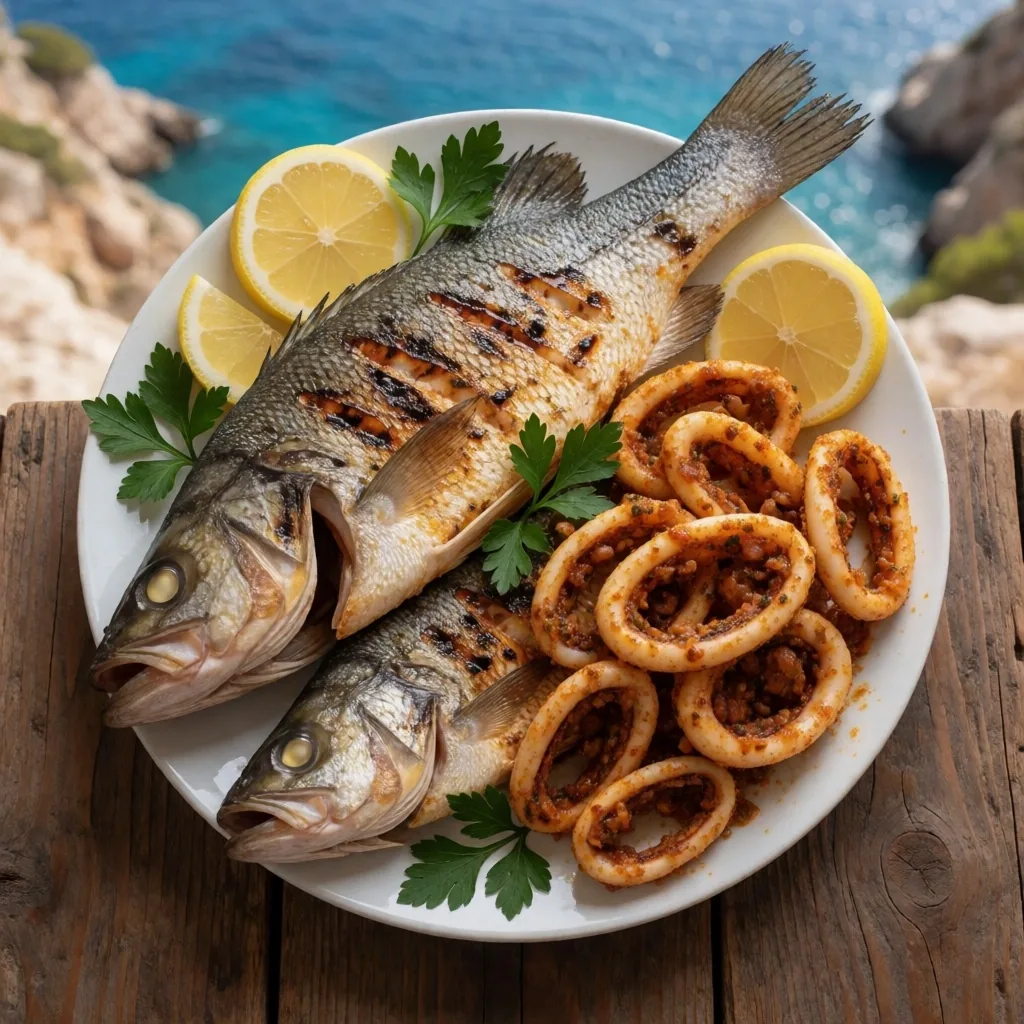
10 / Coastal Cuisine
Coastal Dining and Local Seafood
One of the highlights of visiting the coast is the access to fresh, locally caught seafood prepared in traditional Egyptian styles. From the fish markets of Suez to the seaside restaurants of Port Said, the flavors of the sea are a central part of the local diet.
We recommend trying local specialties like grilled sea bass or calamari seasoned with regional spices. Our guides help you find the best spots to enjoy an authentic meal with a view of the waves.
11 / Field Safety
Safety and Tides
While the Egyptian coasts are generally safe for swimming, it is important to be aware of local currents and tide patterns. Some areas of the Mediterranean can have strong undertows, especially during the winter months.
We provide basic safety tips for beachgoers and divers to ensure a worry-free experience in the water. Staying informed about local conditions is the best way to enjoy the natural beauty of the Egyptian coastline safely.
Check undertow warnings. On the North Coast, ask locals or your guesthouse about daily current conditions before entering the water.
Swim at marked sites. Red Sea beaches with designated entry points and surface marker buoies offer the safest access for snorkelers.
Carry fresh water. Sun exposure on open beaches is intense; dehydration is the most common issue coastal visitors face.